You're not a student, but you'd like to discover the Cité Internationale Universitaire de Paris (14th arrondissement) and its buildings, some of which are listed as historic monuments? We've selected five houses that are a must-see. Or how to travel without leaving the capital!
Good to know
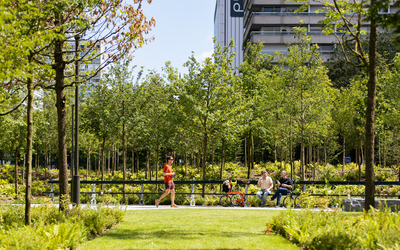
The park of the Cité Internationale Universitaire de Paris is open to the public for walks: ideal for admiring the houses from the outside! However, the interior of the houses, which are student accommodation, is not open to the public.
Guided tours are organized on Sundays by the heritage center, with themed itineraries. Reservations are required. Contact by emailby email ([visites then ciup.fr after the @ sign]) is possible.
The House of Japan
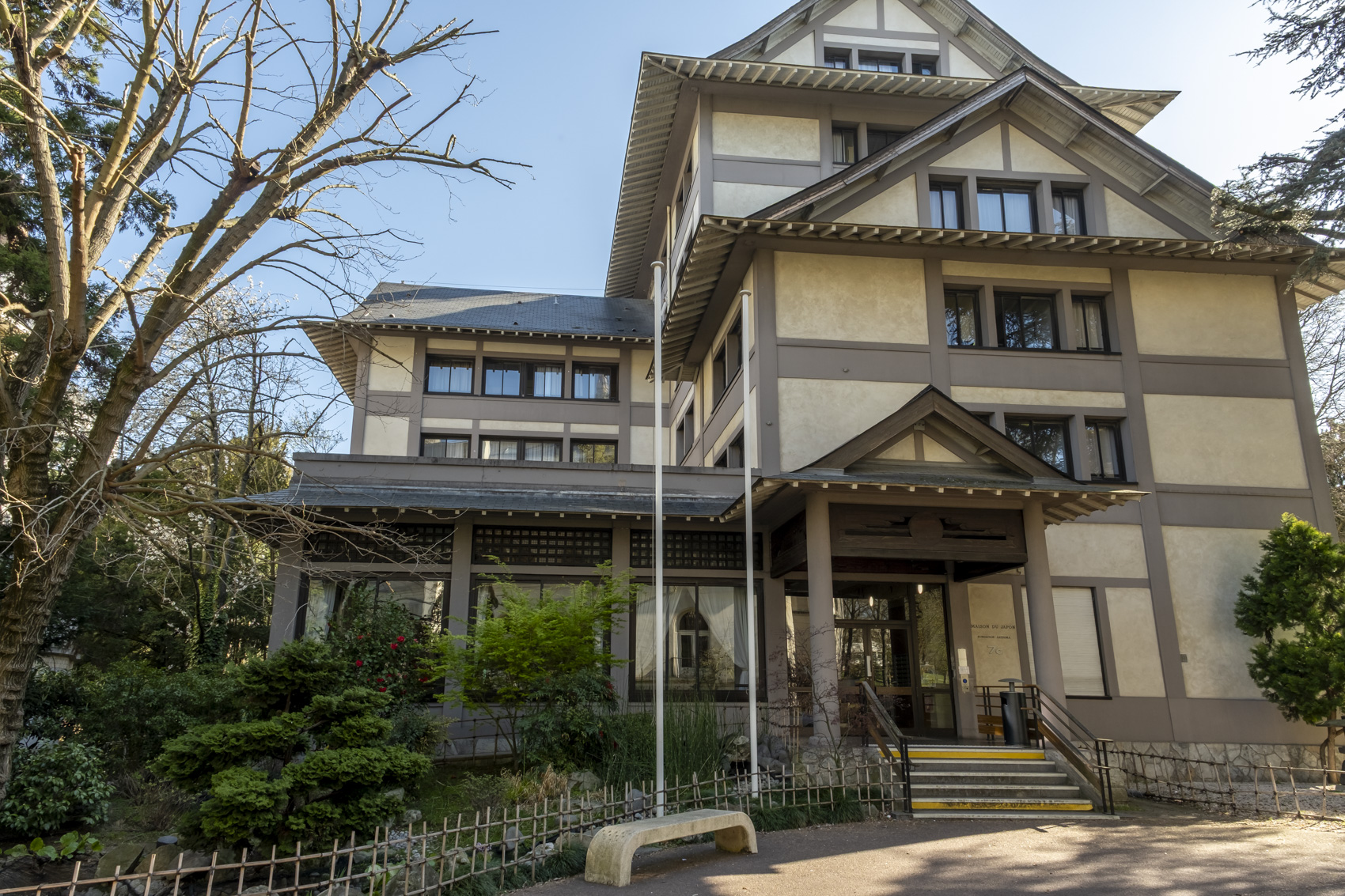
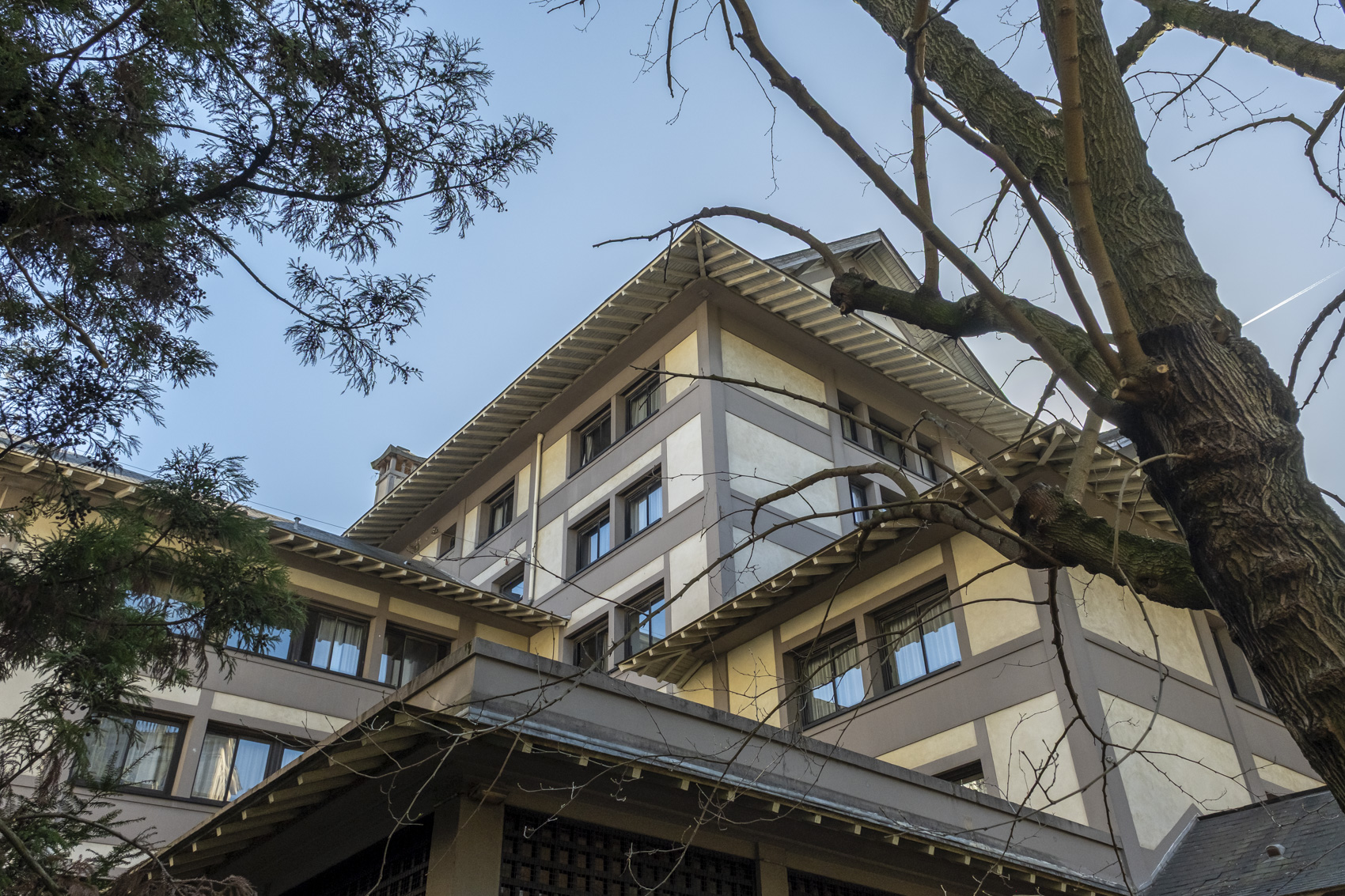
The first Orientalist building in the Cité Internationale Universitaire de Paris (CIUP), the Maison du Japon offers a simplified and modern interpretation of the Japanese castle.
The building is divided into blocks of different heights, with superimposed roofs and various orientations, featuring very prominent front sections, such as irimoya roofs. The building is divided into blocks of different heights,
with superimposed roofs facing in different directions and
prominent projections, such as irimoya roofs ( hipped roofs) that highlight each level of
Japanese towers.
The gray-mauve color and grid pattern of the panels created by the concrete framework are reminiscent of Japanese wooden roof structures. The roofs are covered with northern purlins, brown tiles that are shaped like Japanese tiles.
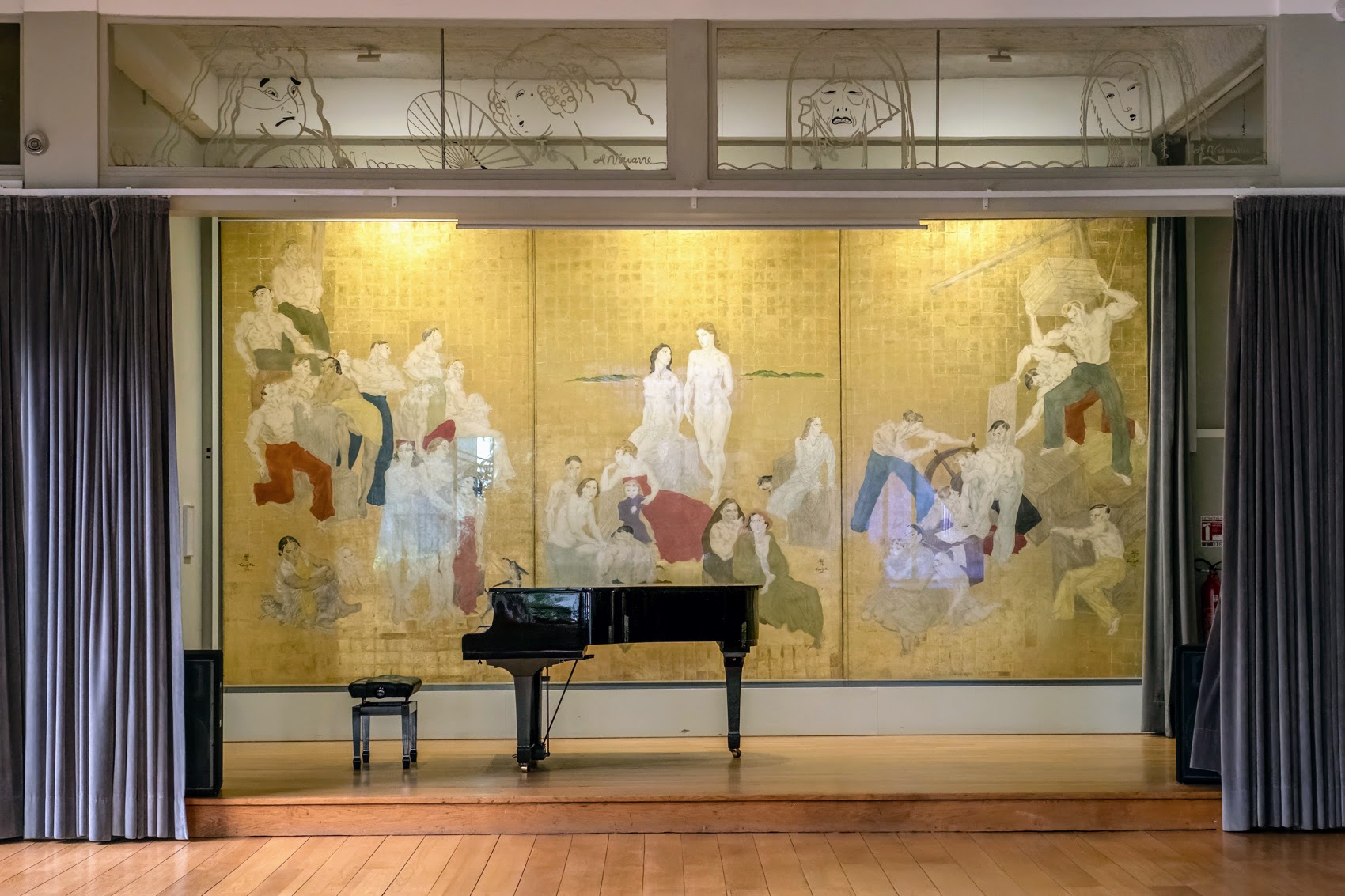
The entrance porch is decorated with a carved wooden panel depicting the rising sun. It was created by Henri-Édouard Navarre, a French sculptor, medalist, and glassmaker. You can also admire his magnificent engraved glass frieze inside the house.
Good to know
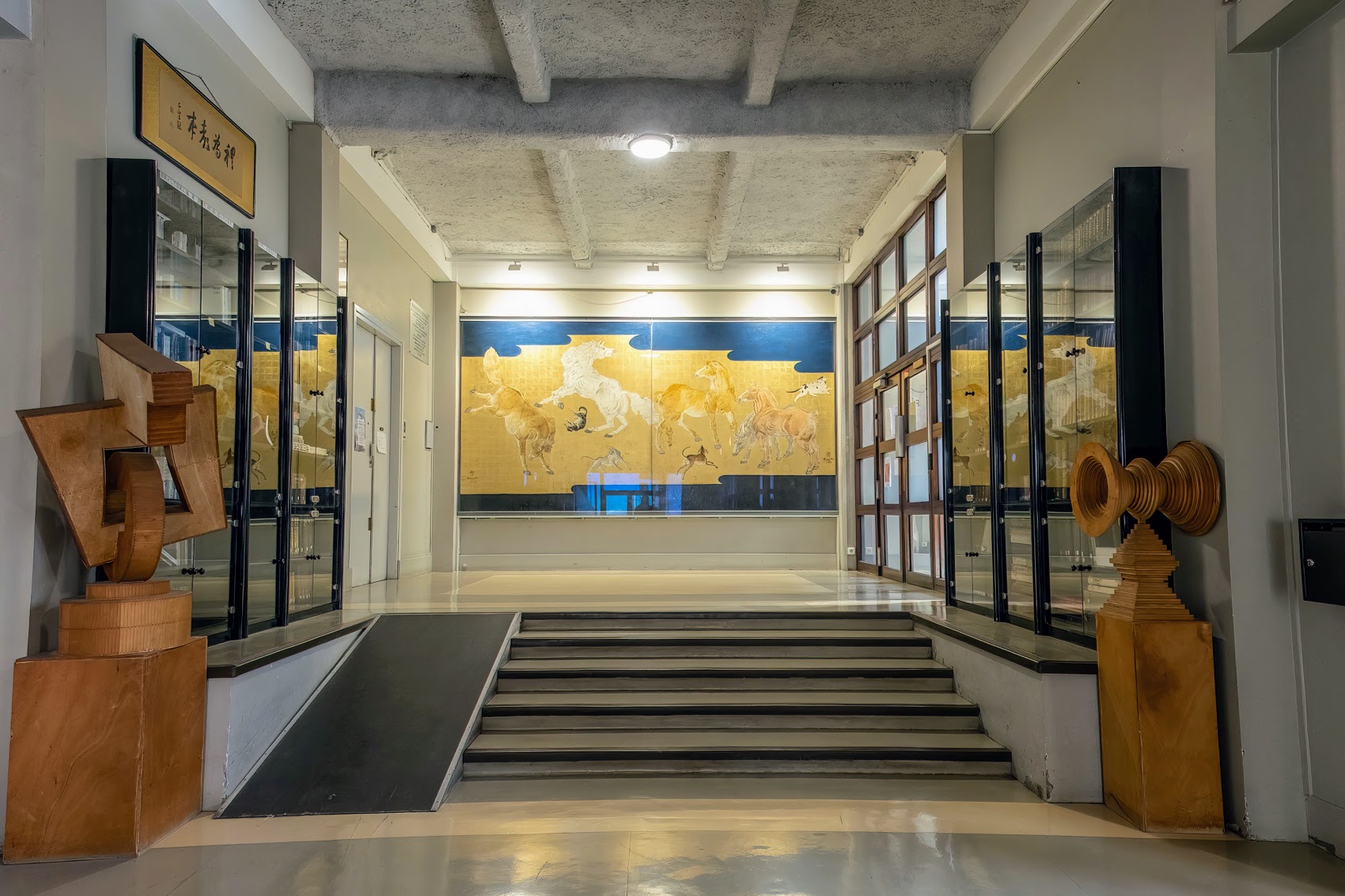
In the lobby and the large lounge, visitors can admire two magnificent murals by the famous painter Tsuguharu Foujita: The Arrival of Westerners in Japan and Horses (accessible only during guided tours organized by the CIUP).
The Southeast Asian Student House
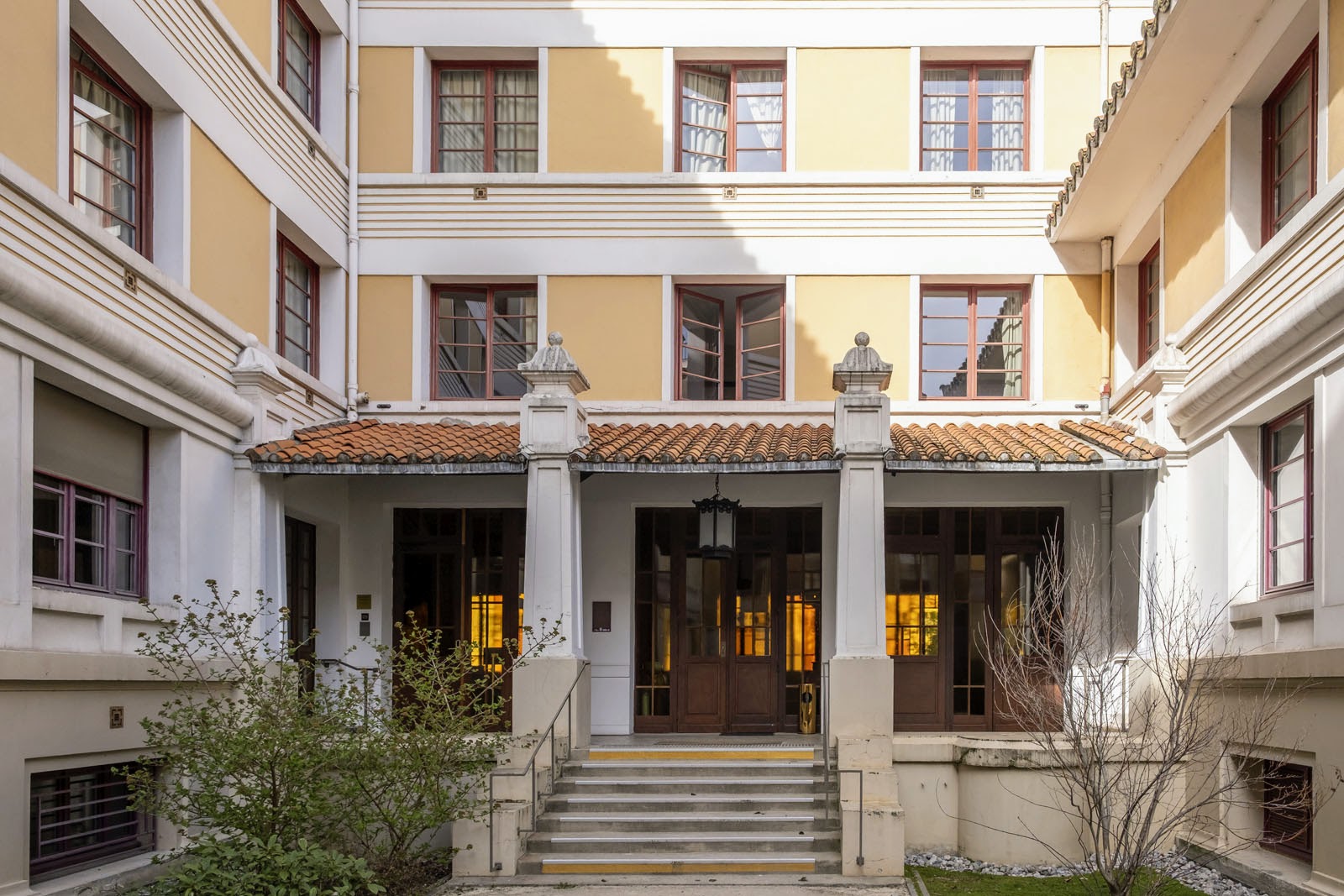
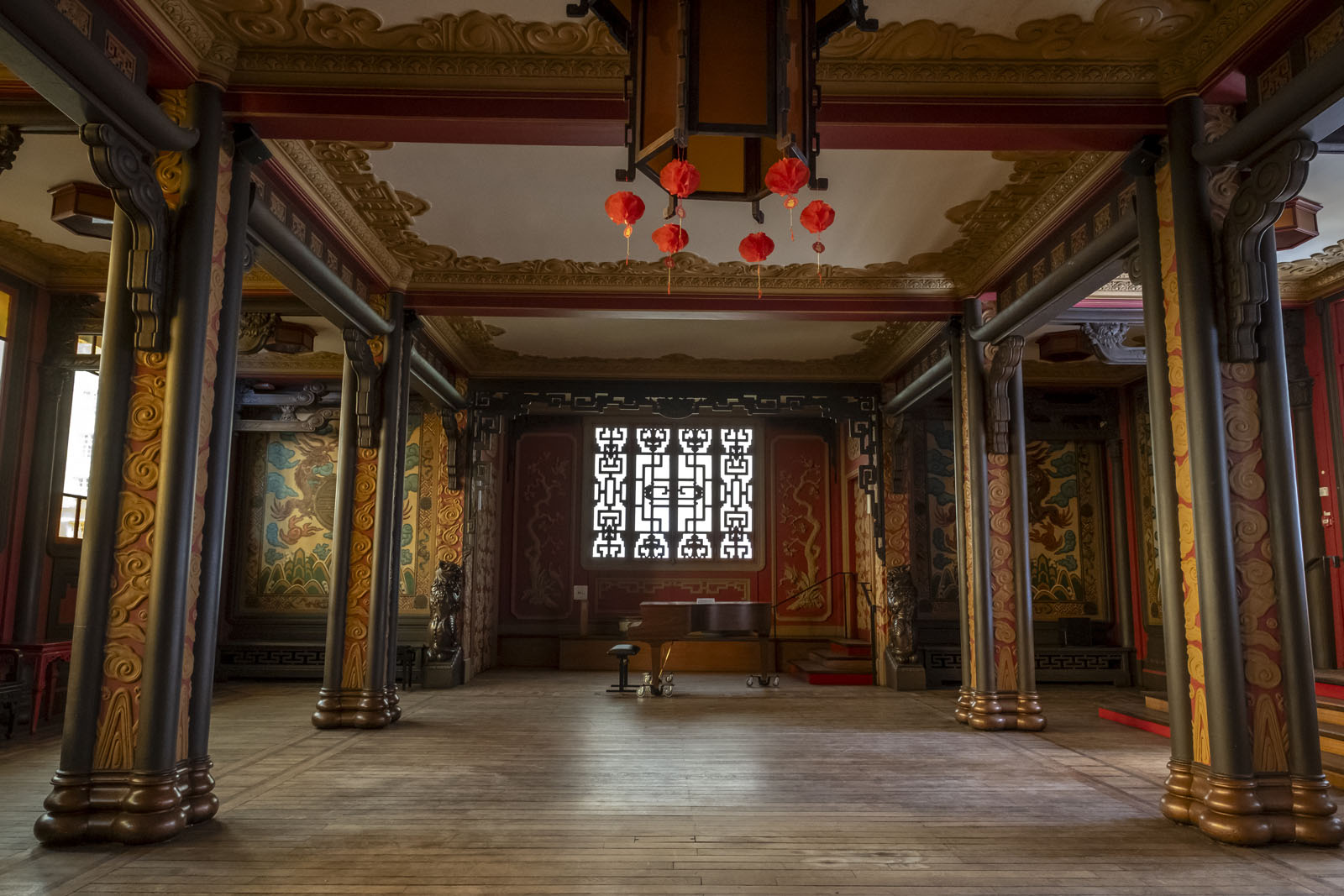
In 1930, the Maison d'Indochine opened its doors. It was created on the initiative of a committee composed of French industrialists based in Southeast Asia and with the support of the State. In January 1972, the building became the home of students from Southeast Asia.
The building offers a blend of influences, with
decorative elements inspired by Annamite (Vietnamese) culture integrated into a Western-style
volume and composition. Large awnings extend the roofs at the corners, which are raised in a
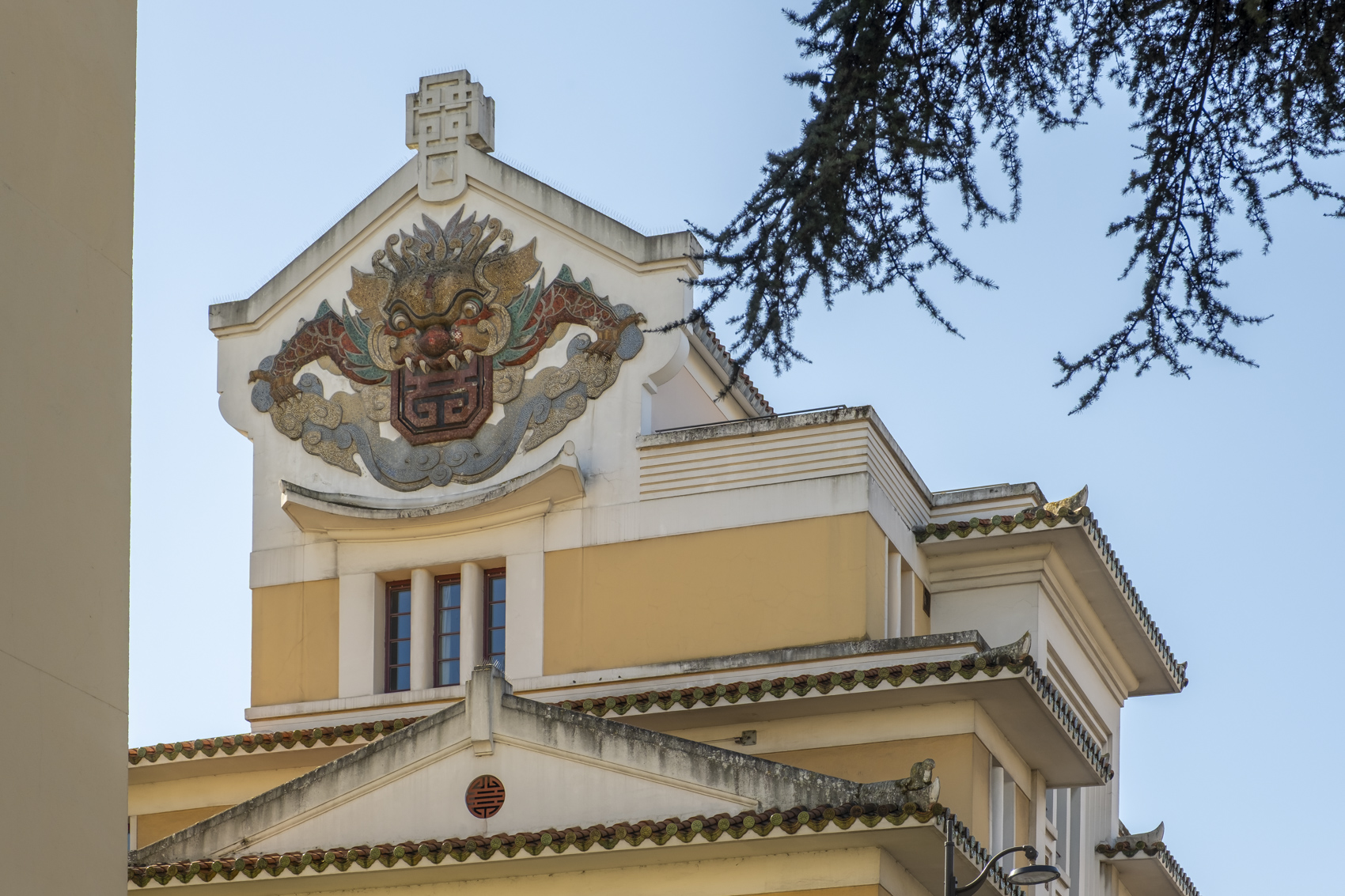
"dove's beak" style. A dragon in bas-relief and mosaic can be seen on the façade.
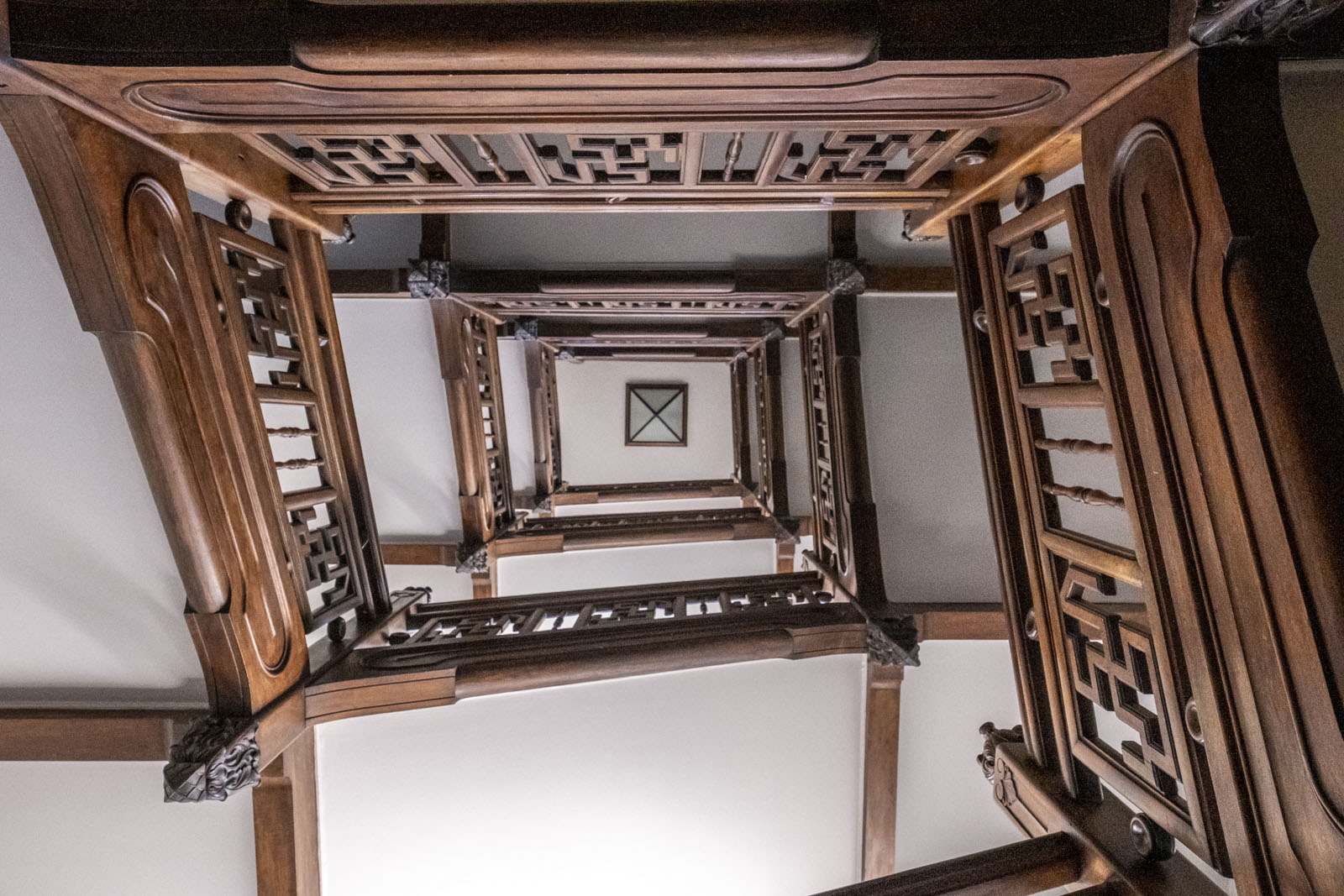
A garden occupies the central part of the building, and the interior architecture combines a European layout with a large living room inspired by Annamite temples (accessible only during guided tours organized by the CIUP).
Good to know
Since 2008, rooms have been reserved primarily for students from ParisTech, which contributed financially to the renovation of the house in 2007 and 2008.
The Dutch College
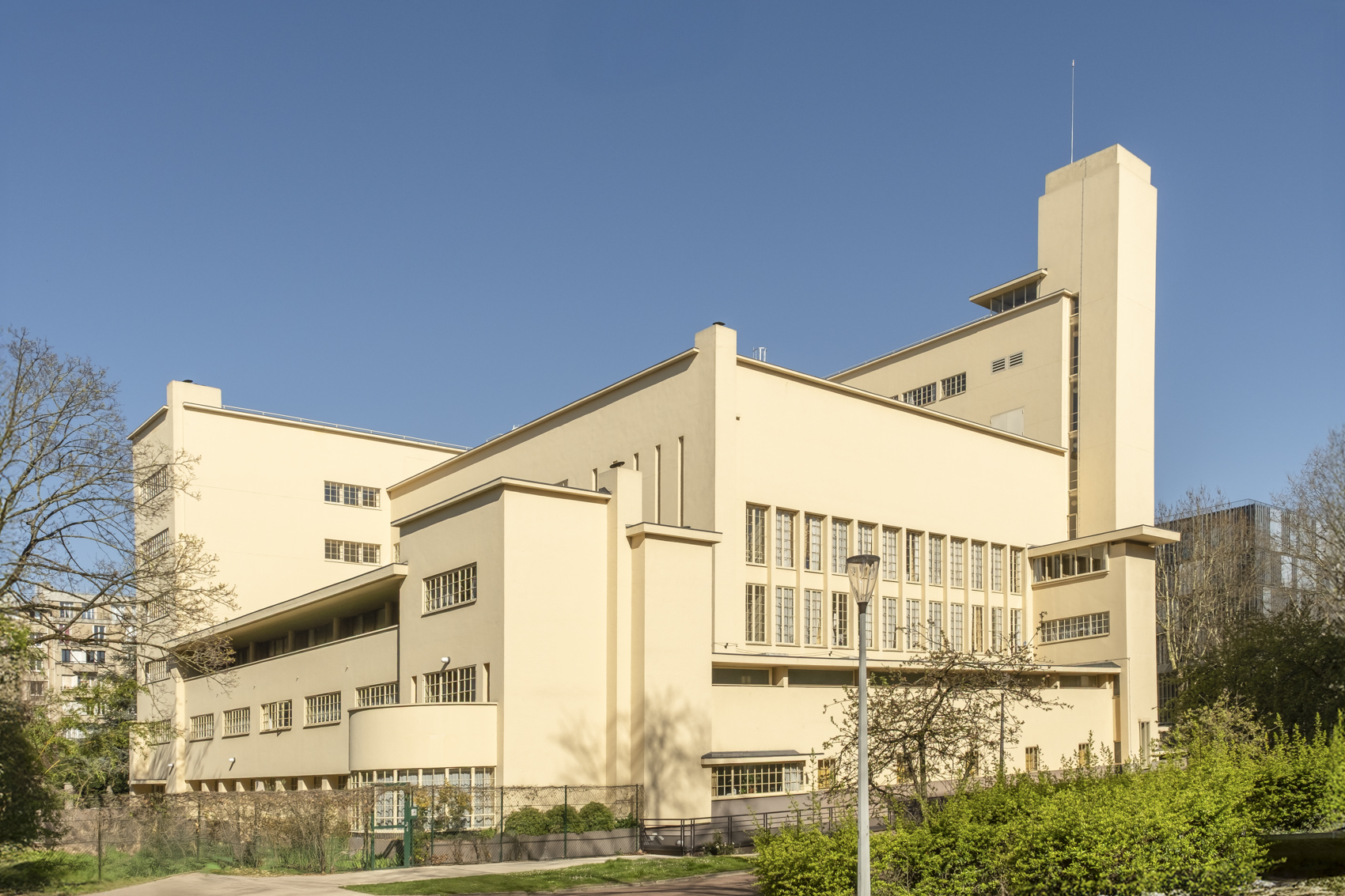
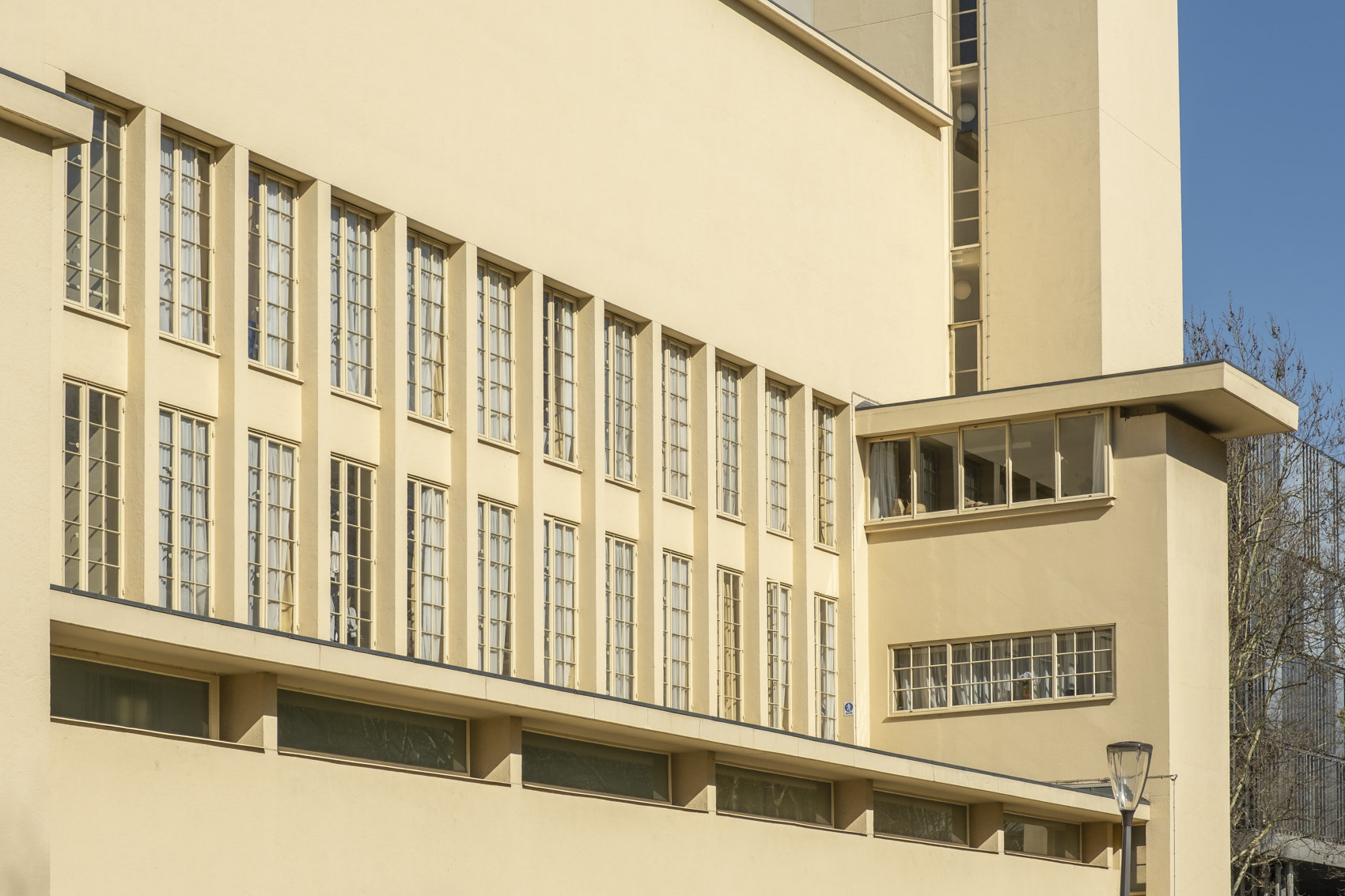
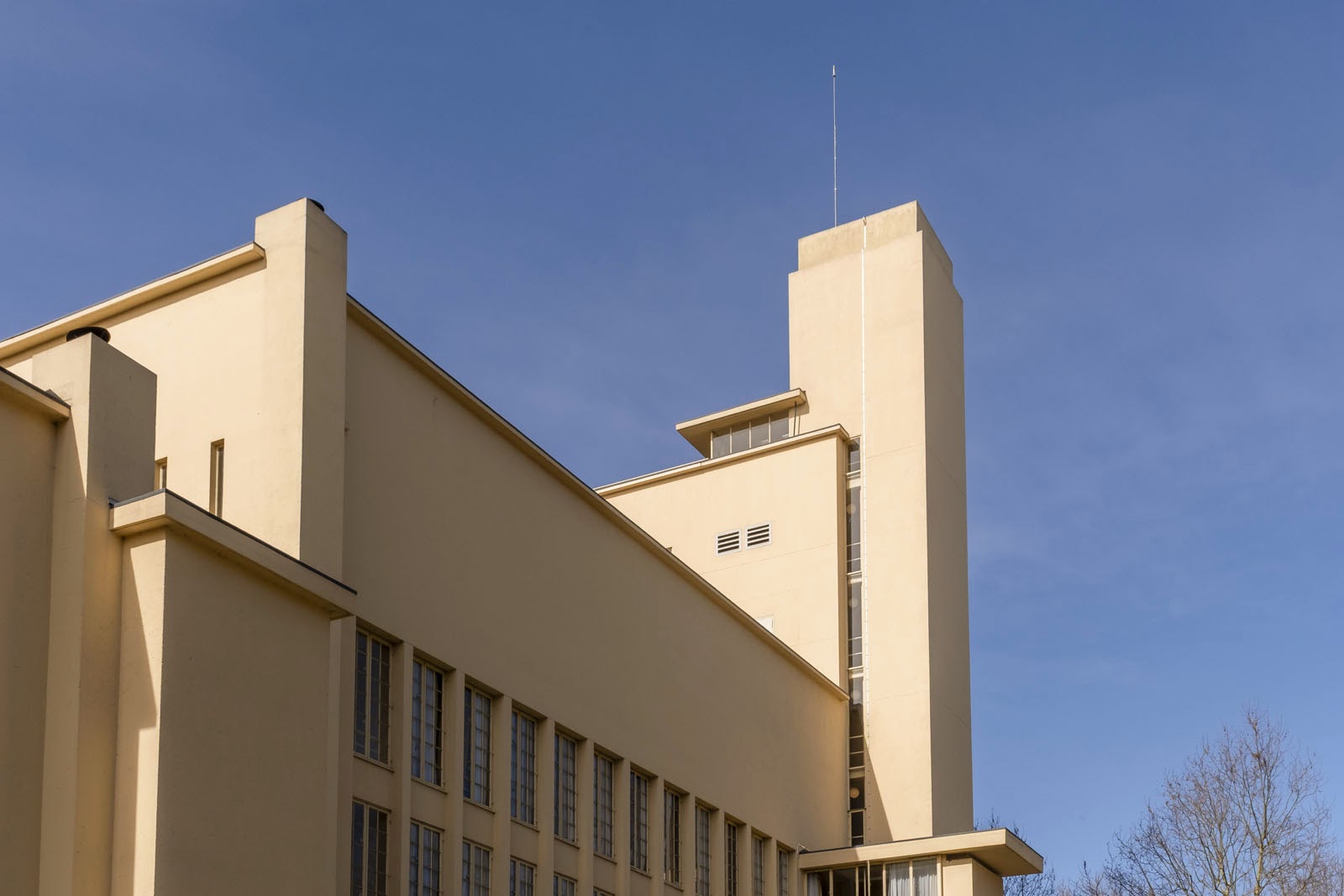
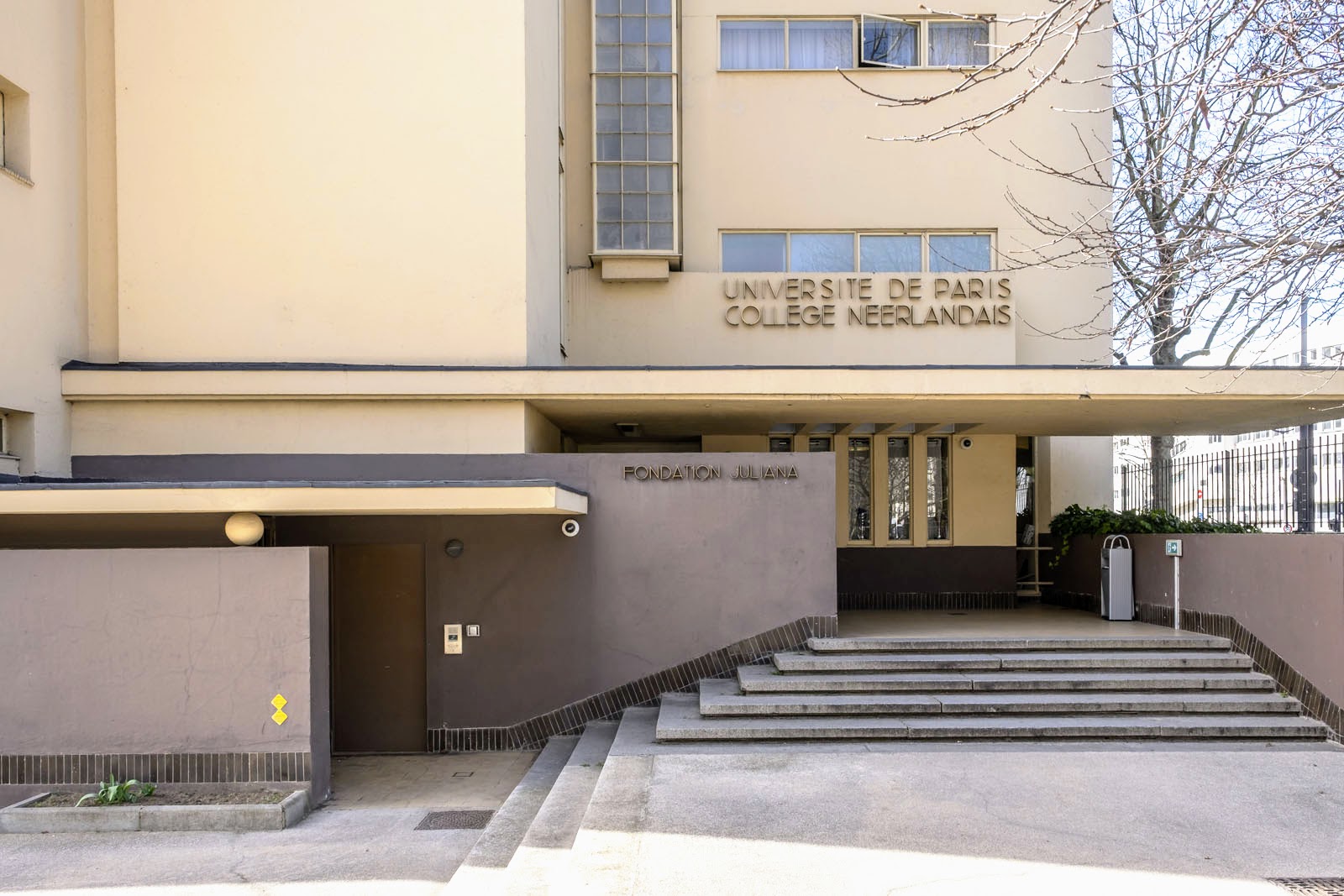
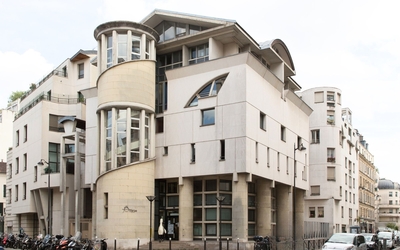
Next to the Southeast Asian student residence, the sheer size and tower of this building will strike you at first glance. You are looking at a jewel of modern architecture! In this ensemble of different shapes, interlocked with one another, you will notice the abandonment of symmetry, the simplicity of the volumes, and the multiplication of roof terraces in the avant-garde style of the De Stijl movement.
Its tower forms a pivot around which the building is organized. The windows with metal latticework are inspired by the architecture of Dutch houses.
Good to know
It is the only building in France designed by architect Willem Marinus Dudok, one of the most prominent architects of the Dutch school, active between the two world wars. The building was listed as a historic monument in 2005.
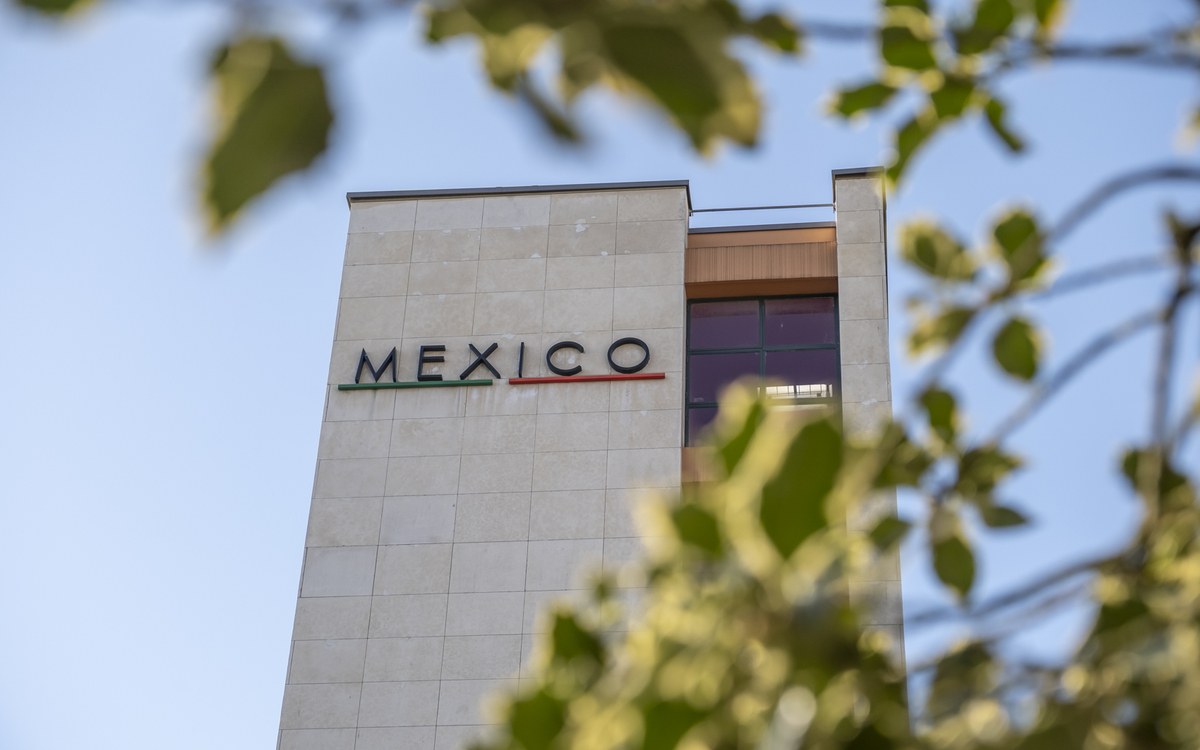
The House of Mexico
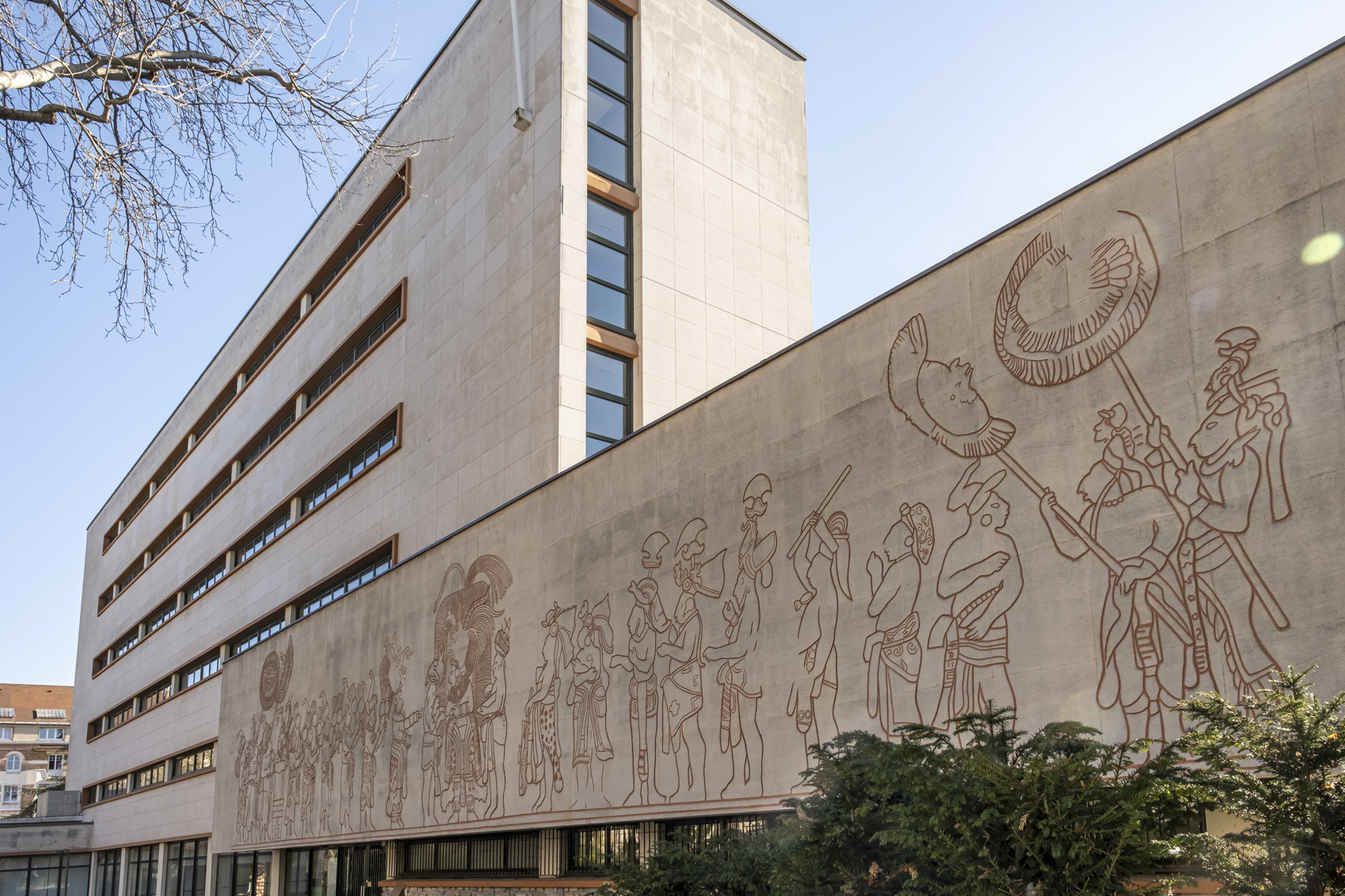
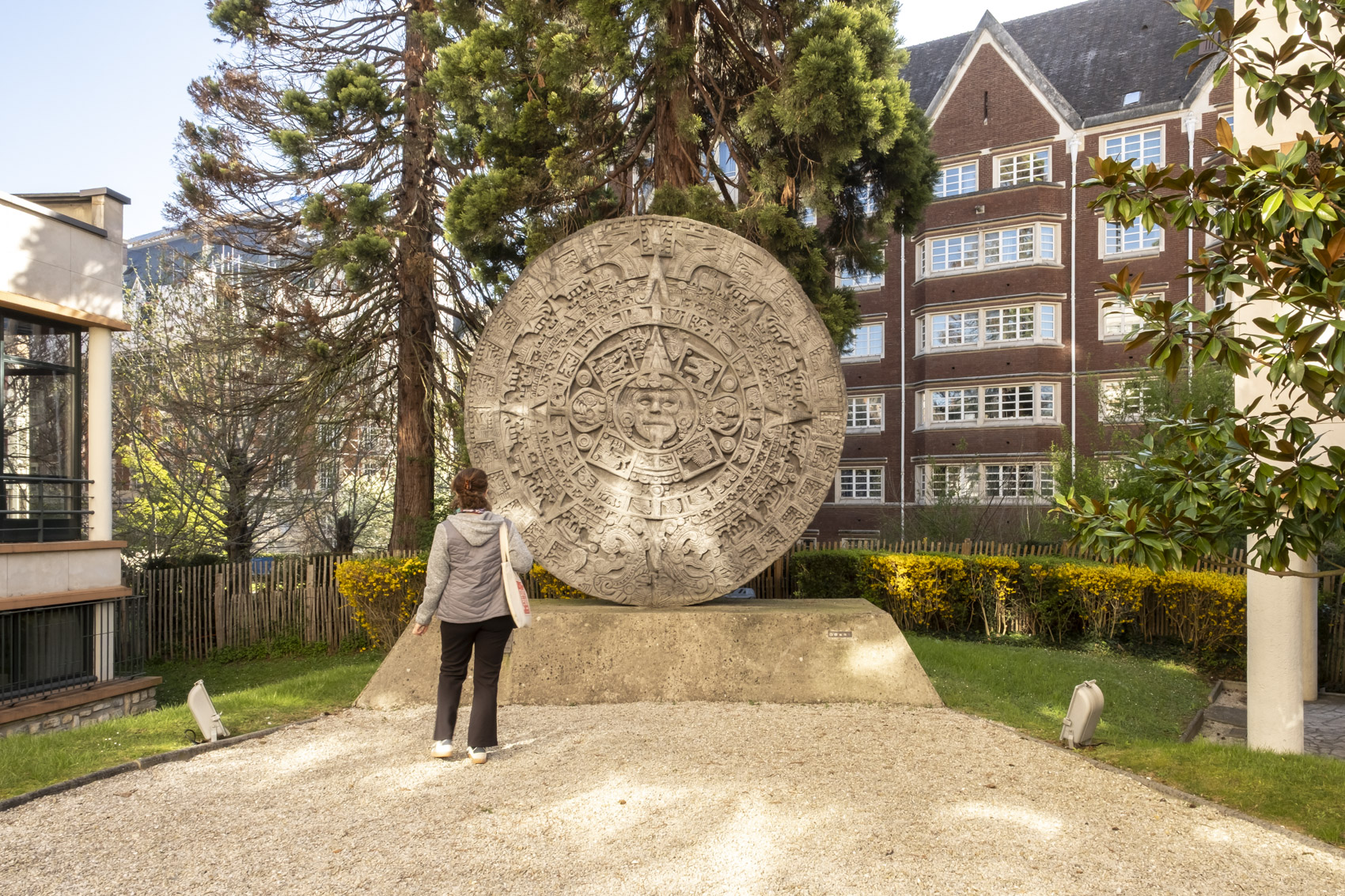
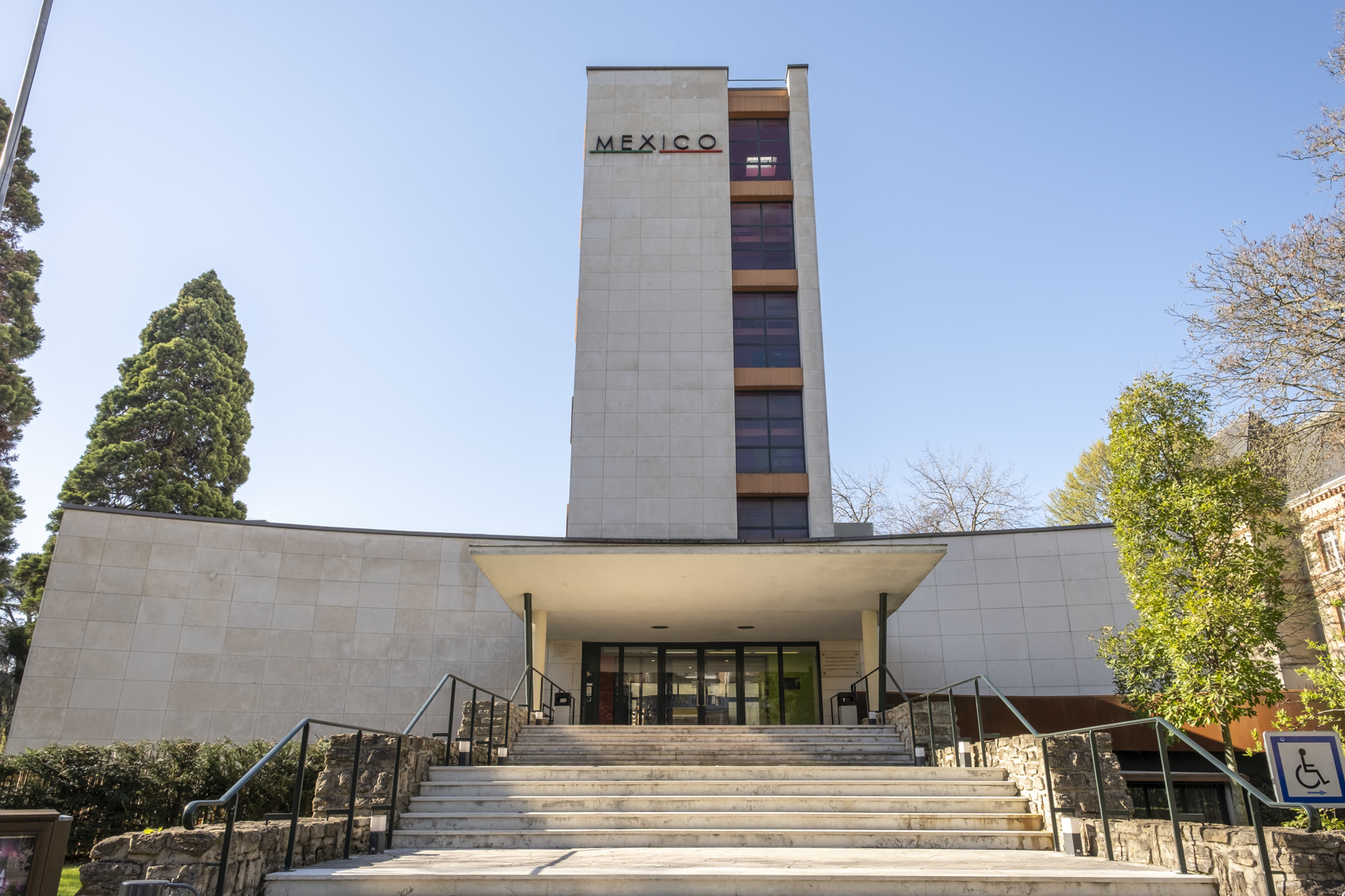
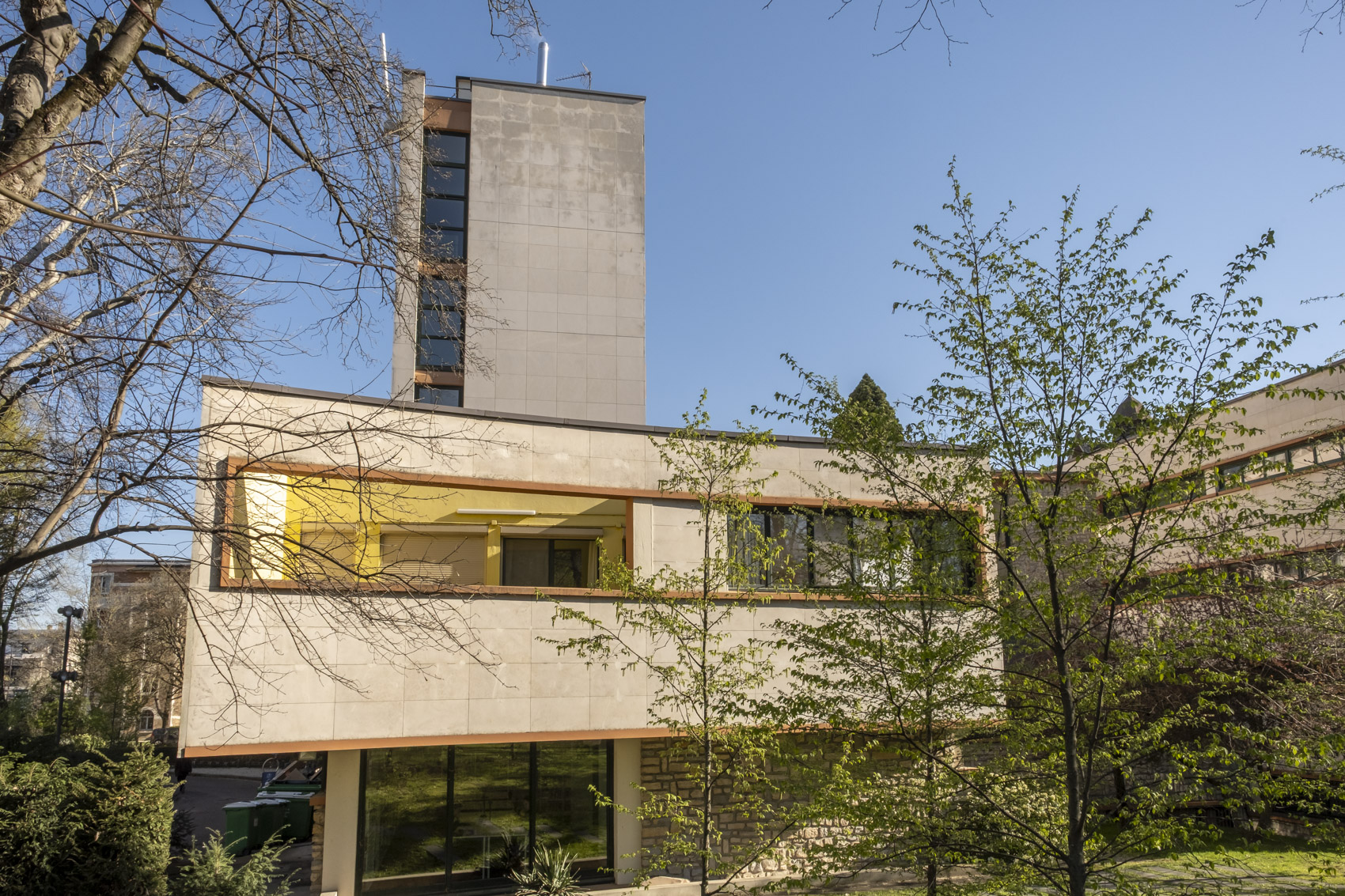
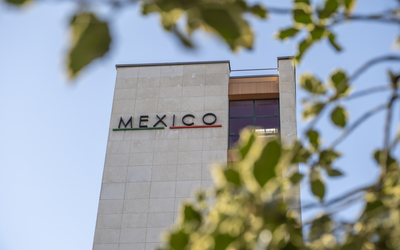
The Mexican House, with its resolutely modern architecture, stands out from the houses surrounding it. It was designed by two brothers, architects Jorge L. and Roberto E. Medellin, and was inaugurated in 1953.
Outside, a stone mural commemorates the discovery of Mayan paintings at the Bonampak archaeological site. By taking one of the CIUP's guided tours, visitors can enter the house and discover furniture designed by Charlotte Perriand and Jean Prouvé, famous architects and designers ofthe 20th century. Of particular note is the "Mexique" bookcase, one of the French designer's most iconic pieces of furniture.
In the inner courtyard, visitors can admire a replica of the "Sun Stone," an Aztec calendar measuring 3.60 meters in diameter, discovered in Mexico City's central square in 1790.
Good to know
In the inner courtyard, a plaque explains that students confined during the COVID-19 health crisis buried a time capsule containing accounts of their experiences. It is stipulated that this capsule should only be unearthed on October 8, 2053, for the house's centenary.
The House of Egypt
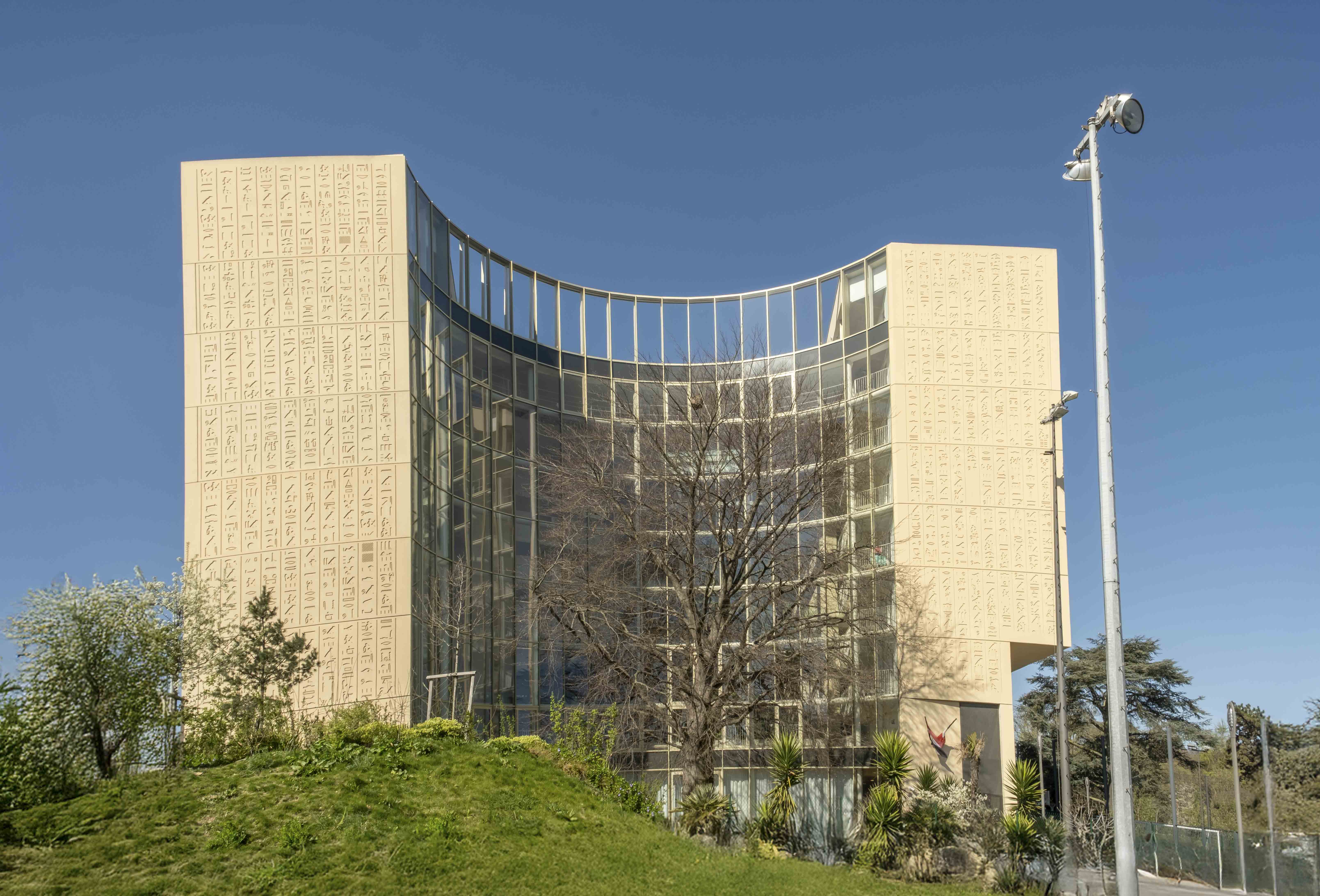
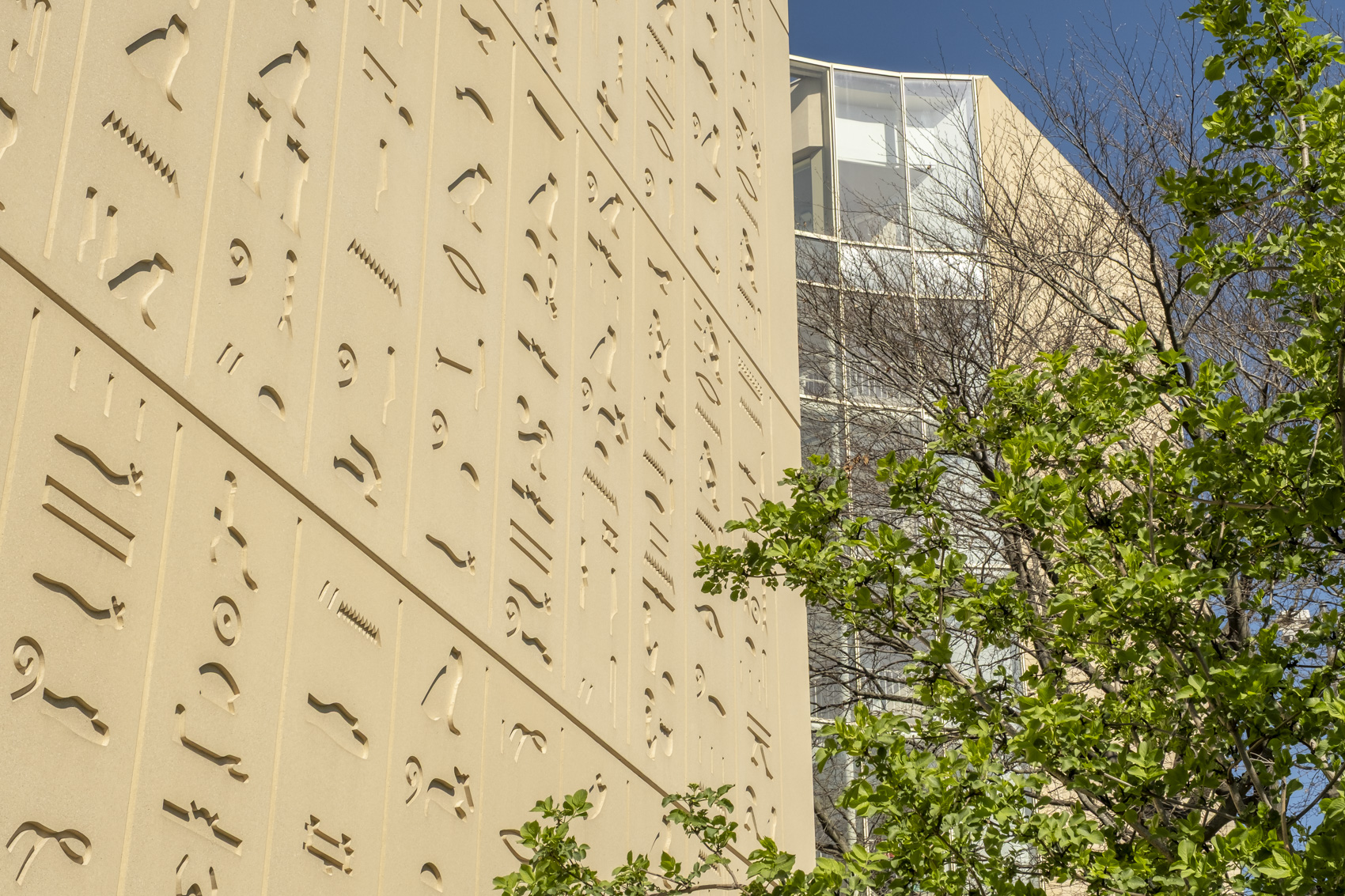
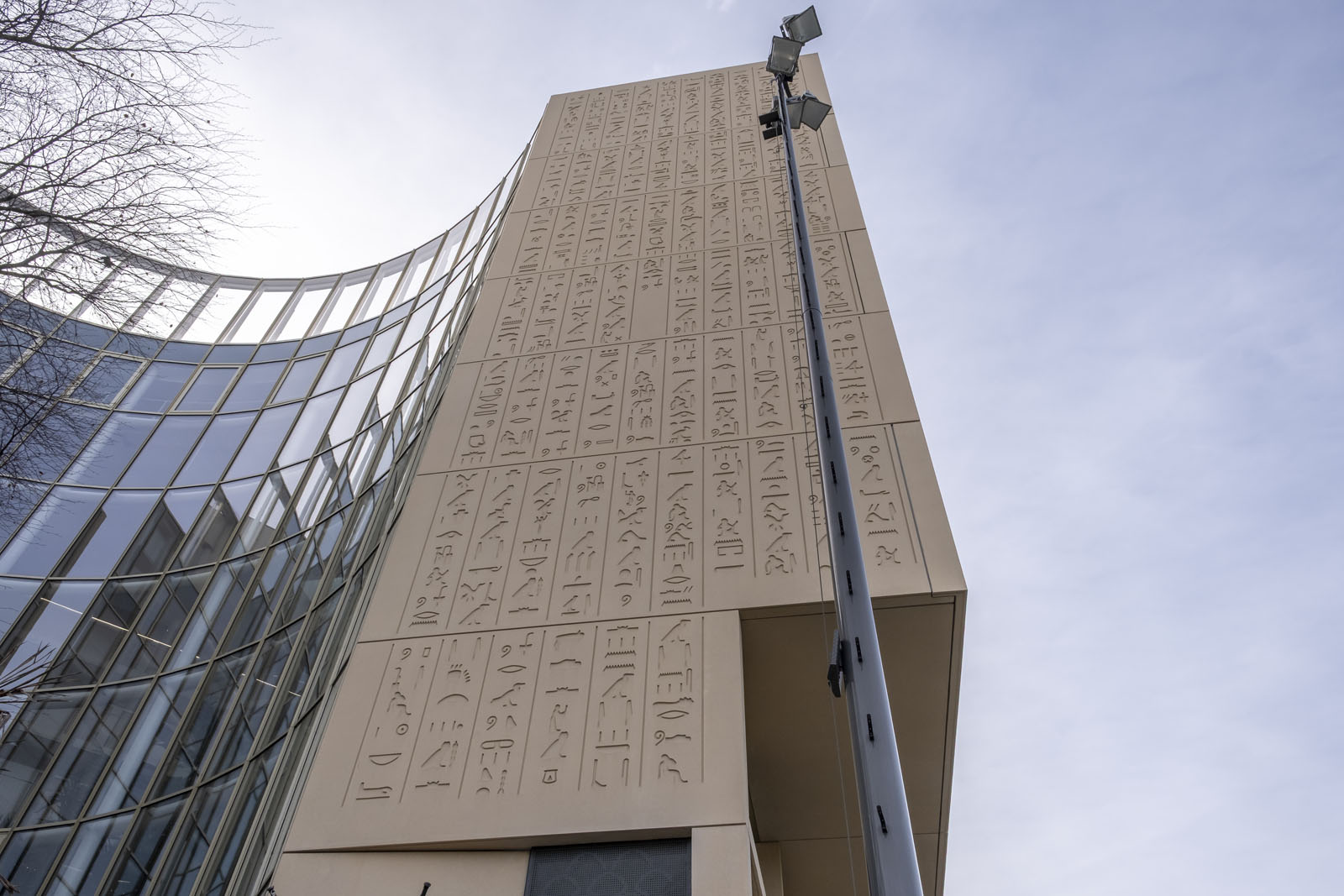
It is the last house to be inaugurated at the CIUP, even though a construction project had already been discussed in the 1930s. In 1951, there was even talk of building a pyramid-shaped house. Construction will finally begin in 2021. Entirely financed by Egypt, it is designed by the agencies Sam Architecture and Dar Arafa Architecture.
The concrete façade is in keeping with the mineral spirit of Egyptian buildings. Its volume is also traditional, like a huge block of stone, the material of choice in Egyptian architecture.
The concrete façade protects the building on one side and transforms into a glass façade on the east side. The latter creates visual continuity between the heart of the building and the small garden, allowing maximum natural light to enter.
Good to know
The central theme of the project is nature, both through the preservation of the purple beech tree outside and the creation of an Egyptian-inspired garden upstairs.
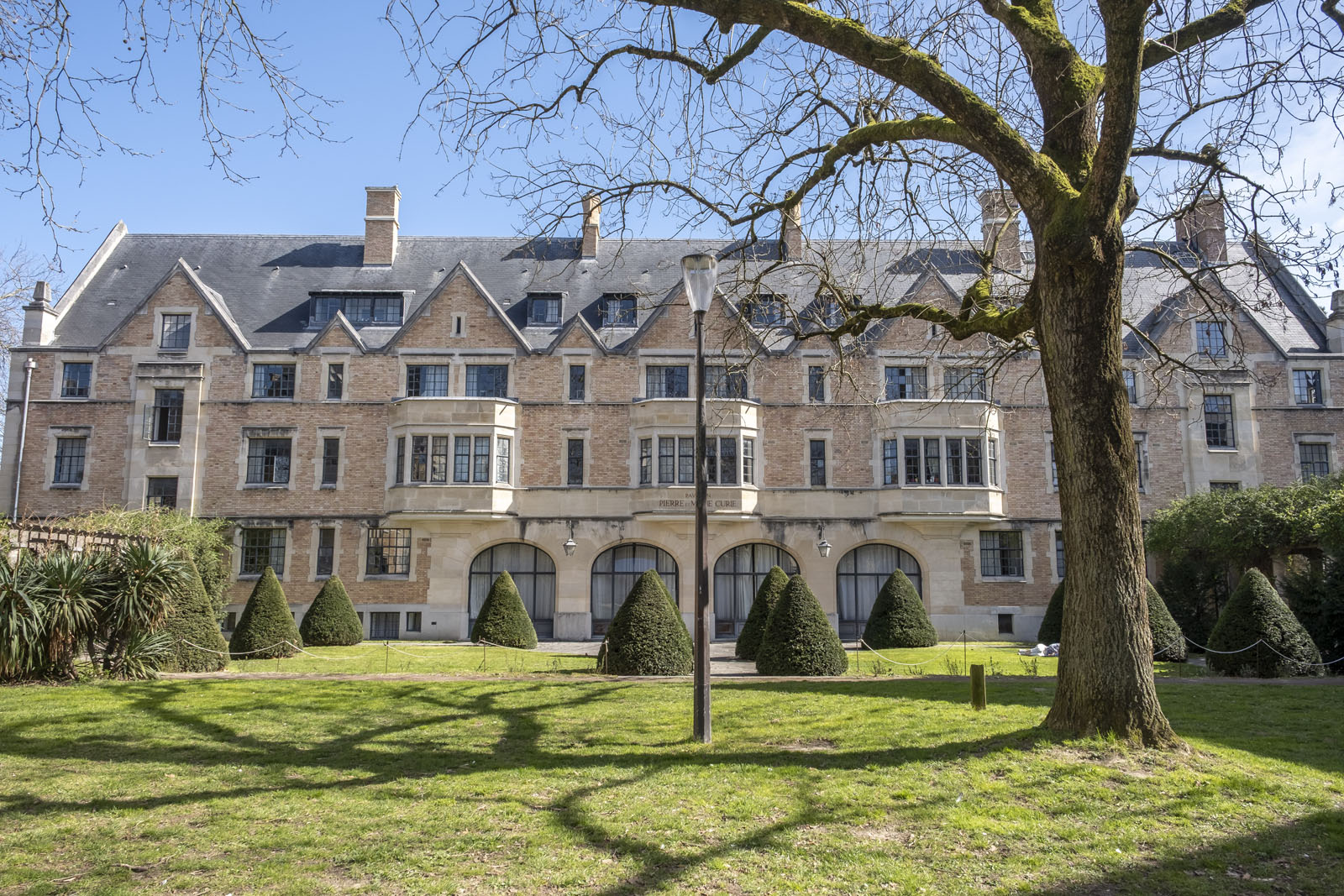
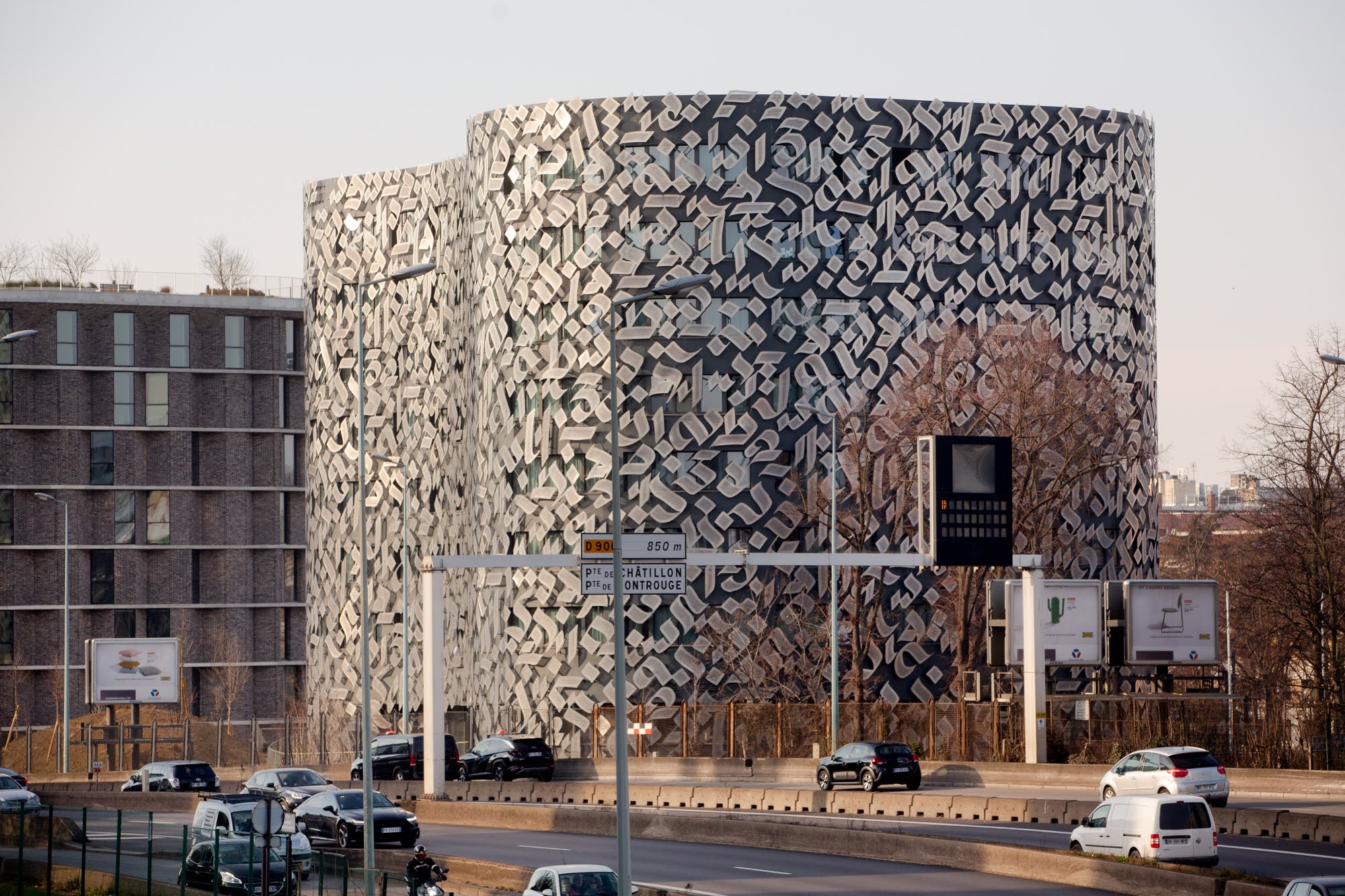
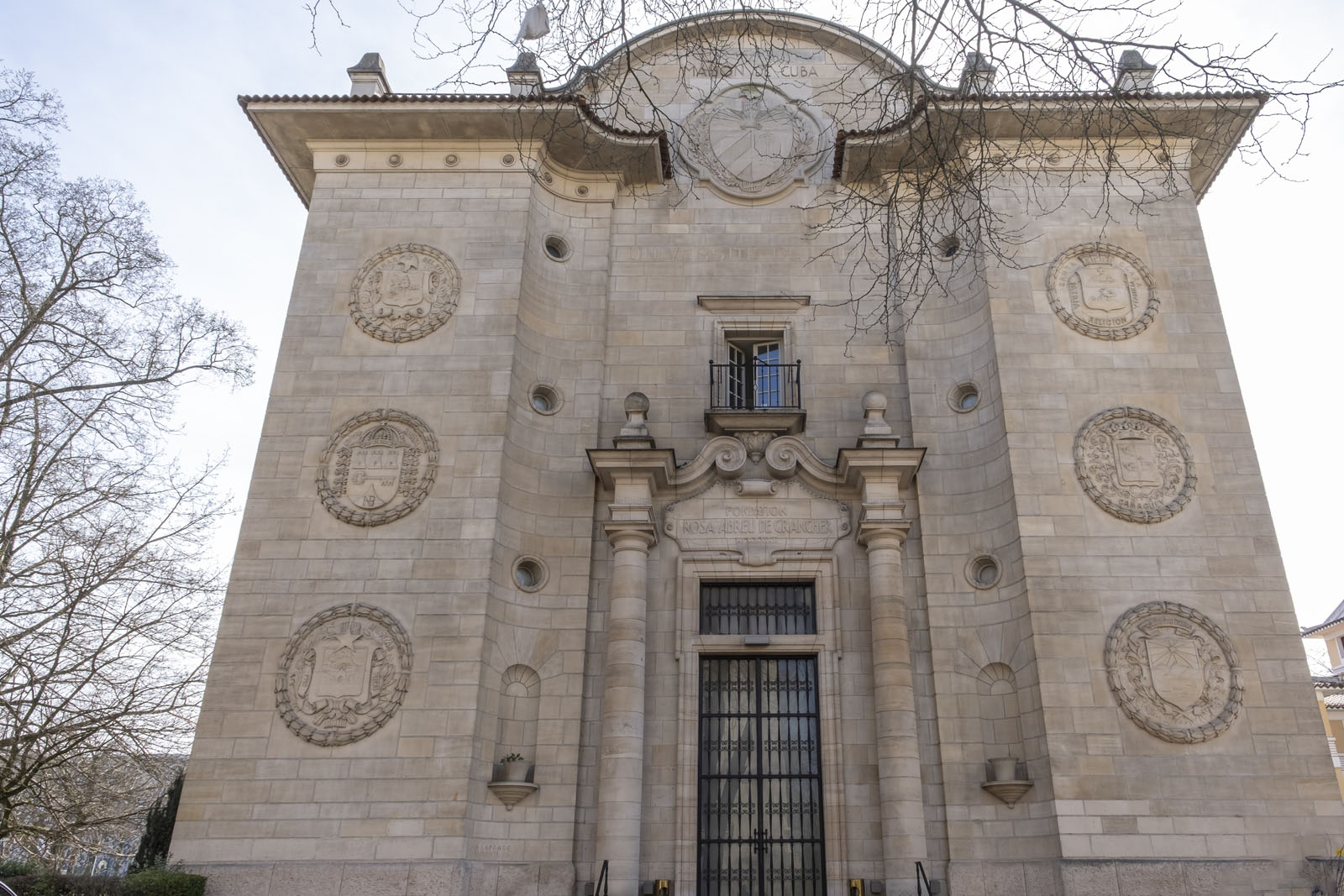
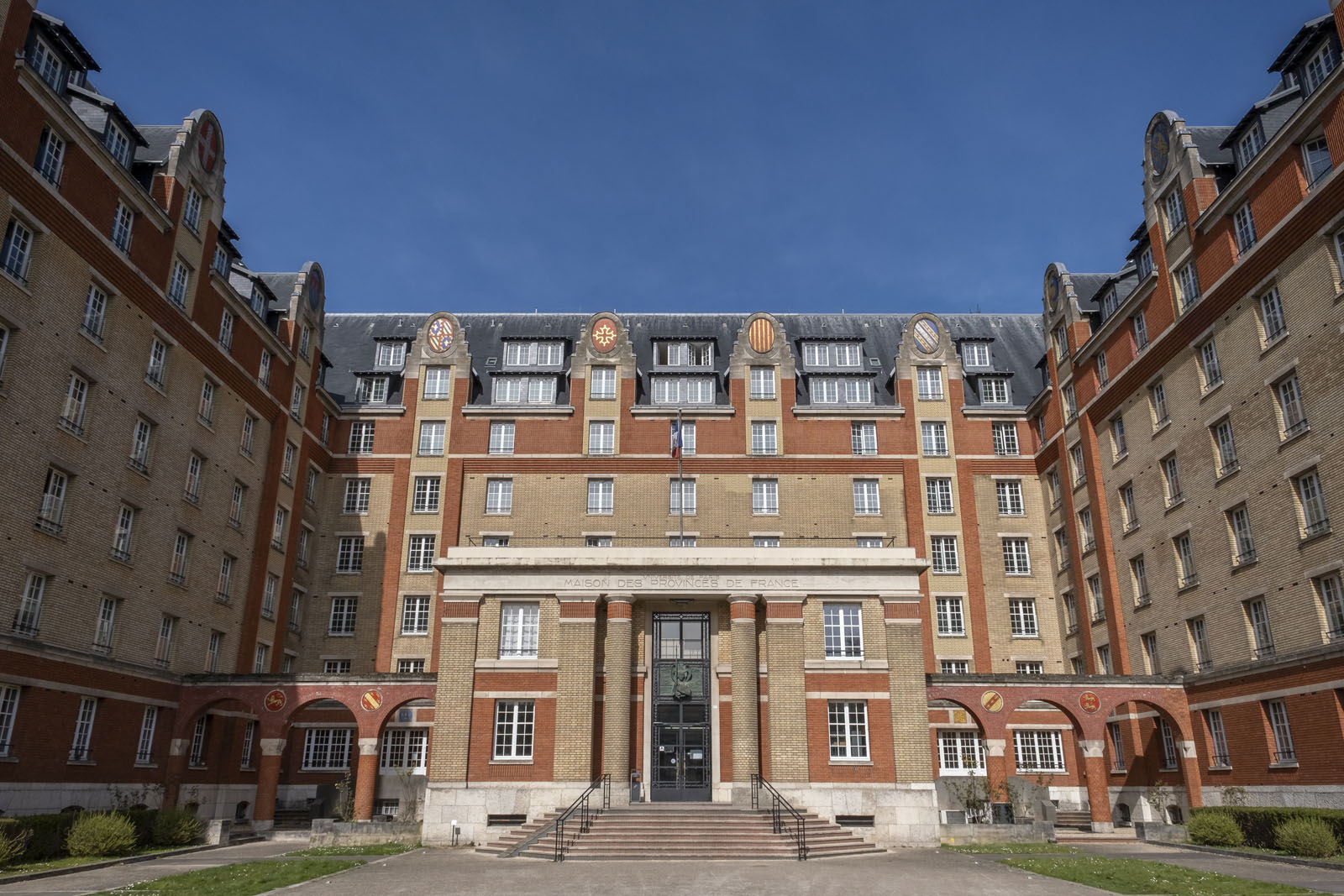
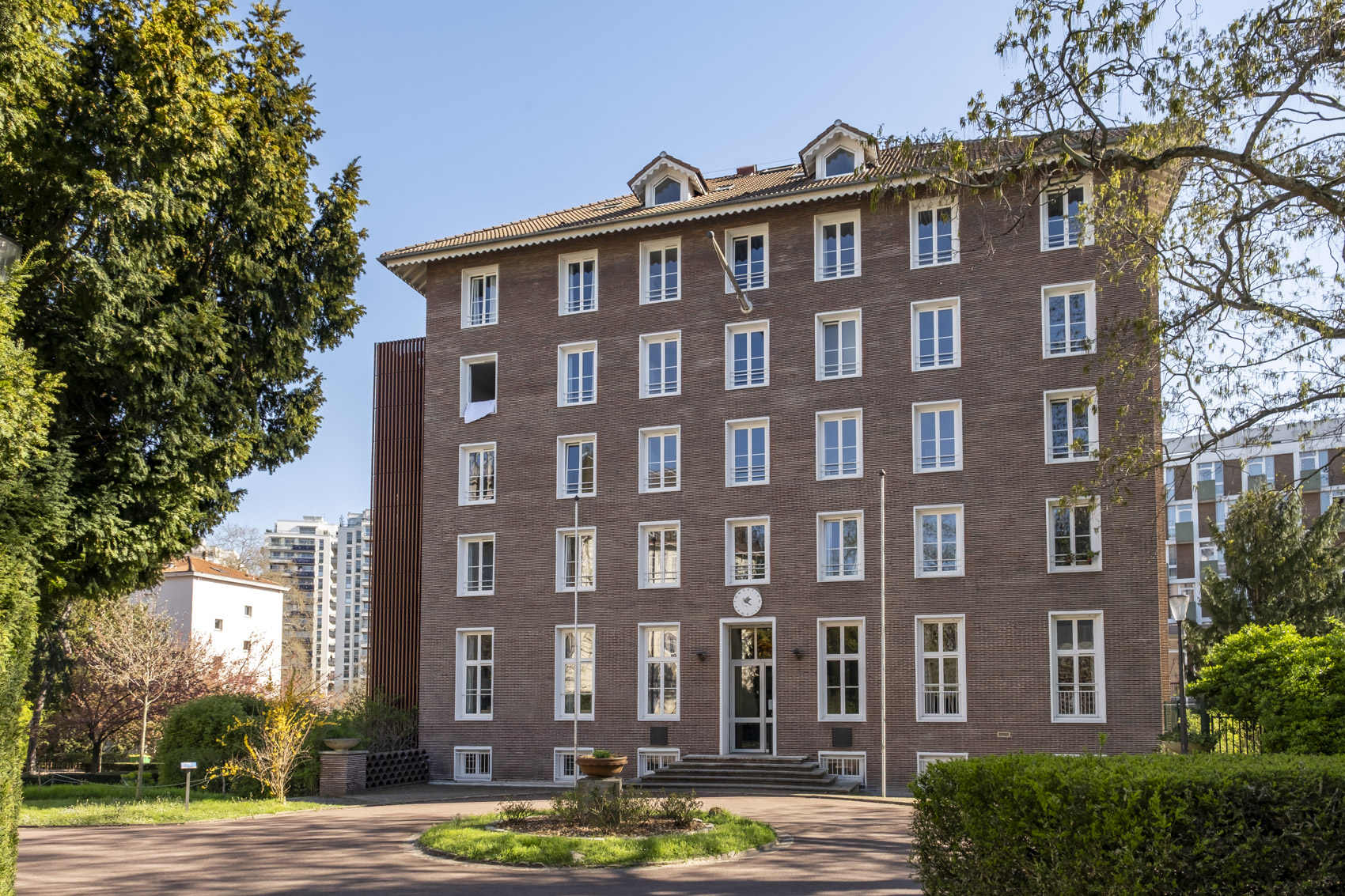
In photos, other houses not to be missed!
Learn more
-
The website for the centenary of the Cité internationale universitaire (14th arrondissement) www.centenaire.ciup.fr
-
6 things you (maybe) didn't know about the Cité Internationale Universitaire de Paris
-
What is it like… living at the Cité internationale universitaire? Answers from residents!
-
History of a global city