Will the Adidas Arena be an impregnable fortress for Paris Basketball's opponents? Only time will tell but it wouldn't be surprising given a recent discovery during construction work. Remains of the capital's ancient fortifications were unearthed there before it was built.
This summer, athletes from all over the world will take to the Adidas Arena to compete in the badminton, rhythmic gymnastics and weightlifting Olympic events. But before we get on to that, an archaeological discovery has handed us a slice of history.
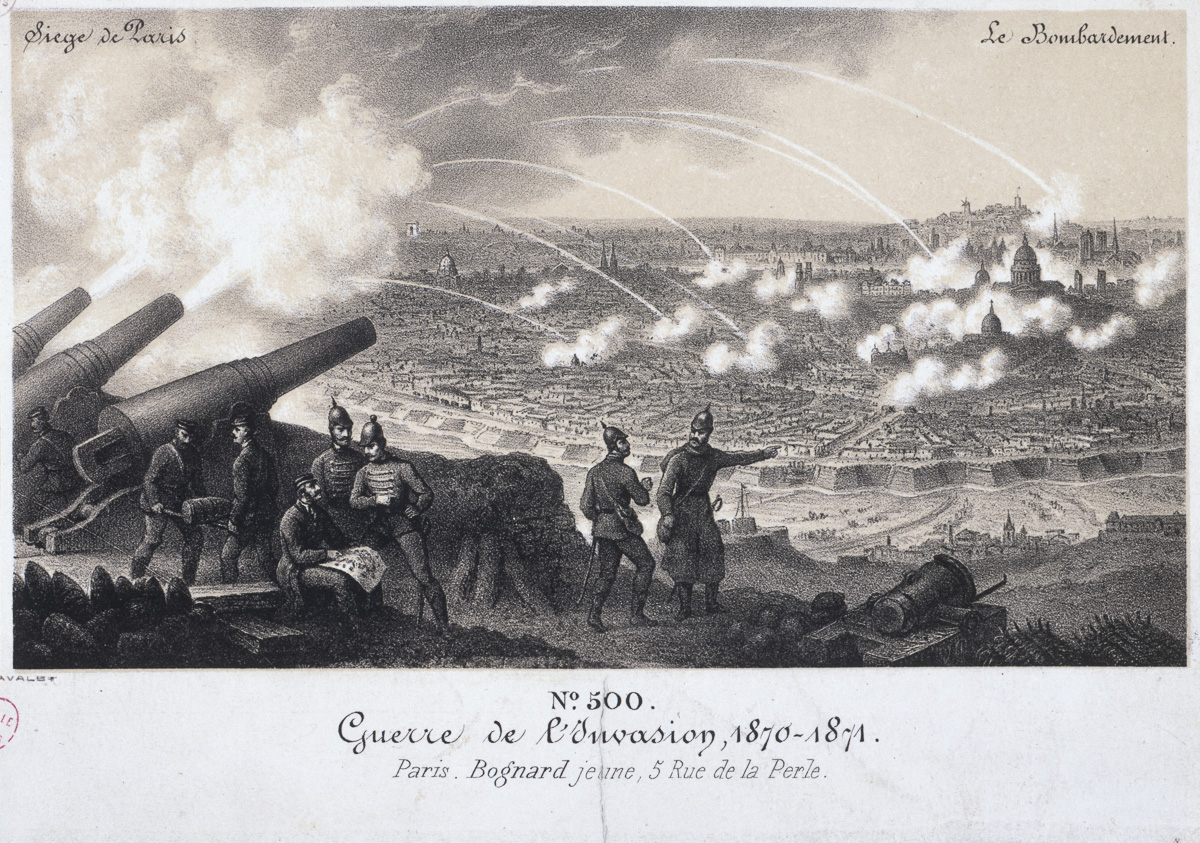
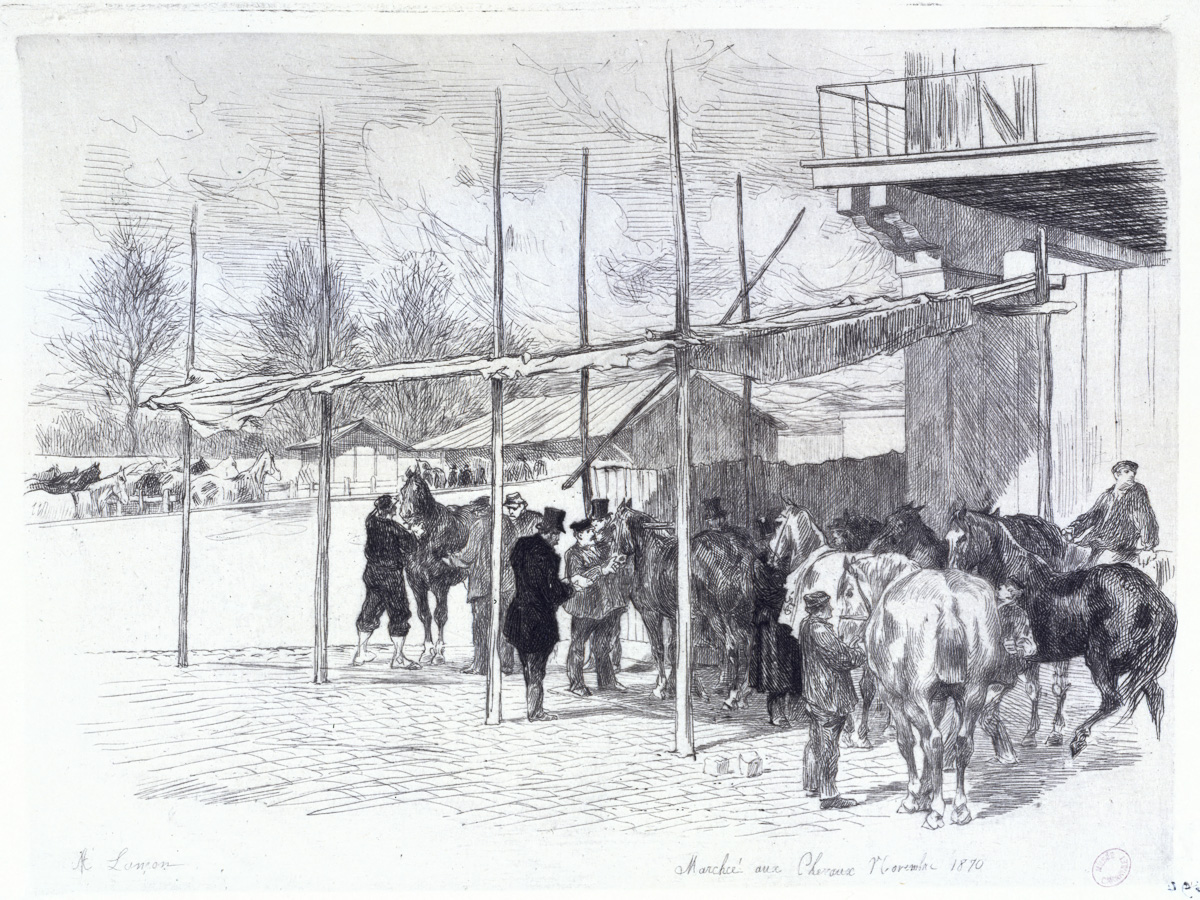
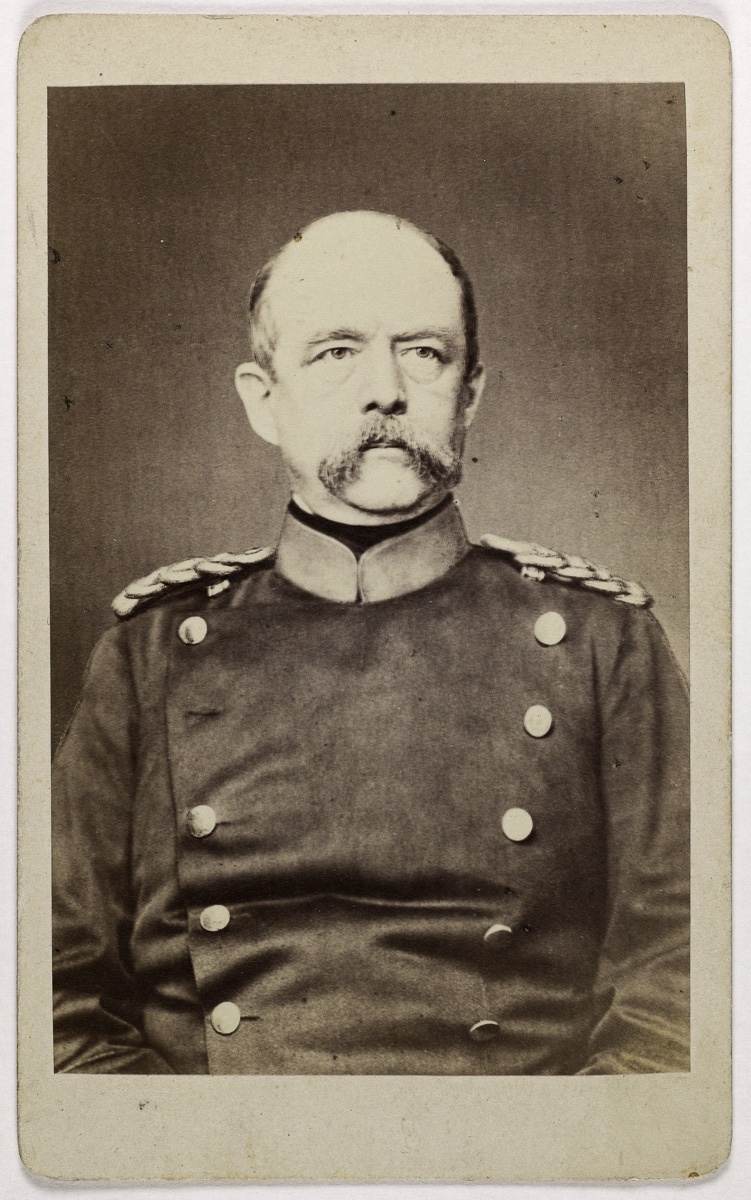
In September 1870, with the Franco-Prussian war in full swing, Chancellor Otto von Bismarck's troops decided to surround Paris. For almost five months, the city was under siege. Parisians survived as best they could, battling a harsh winter, food shortages and daily bombardment. An armistice was signed on January 28, 1871, marking the end of the blockade.
Adolphe Thiers' wall
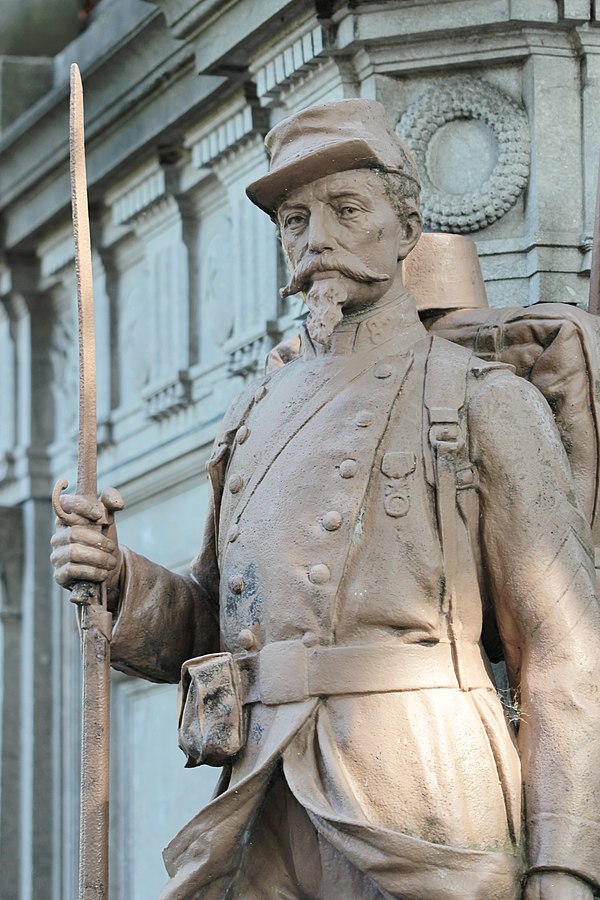
Paris' ability to withstand Prussian assaults was largely due to its fortifications. In 1840, Adolphe Thiers, then President of the French Council, had a new wall built to protect the city from possible military offensives. The statesman could recall the Prussians' entry into the capital in 1814, and did not wish to see history repeat itself.
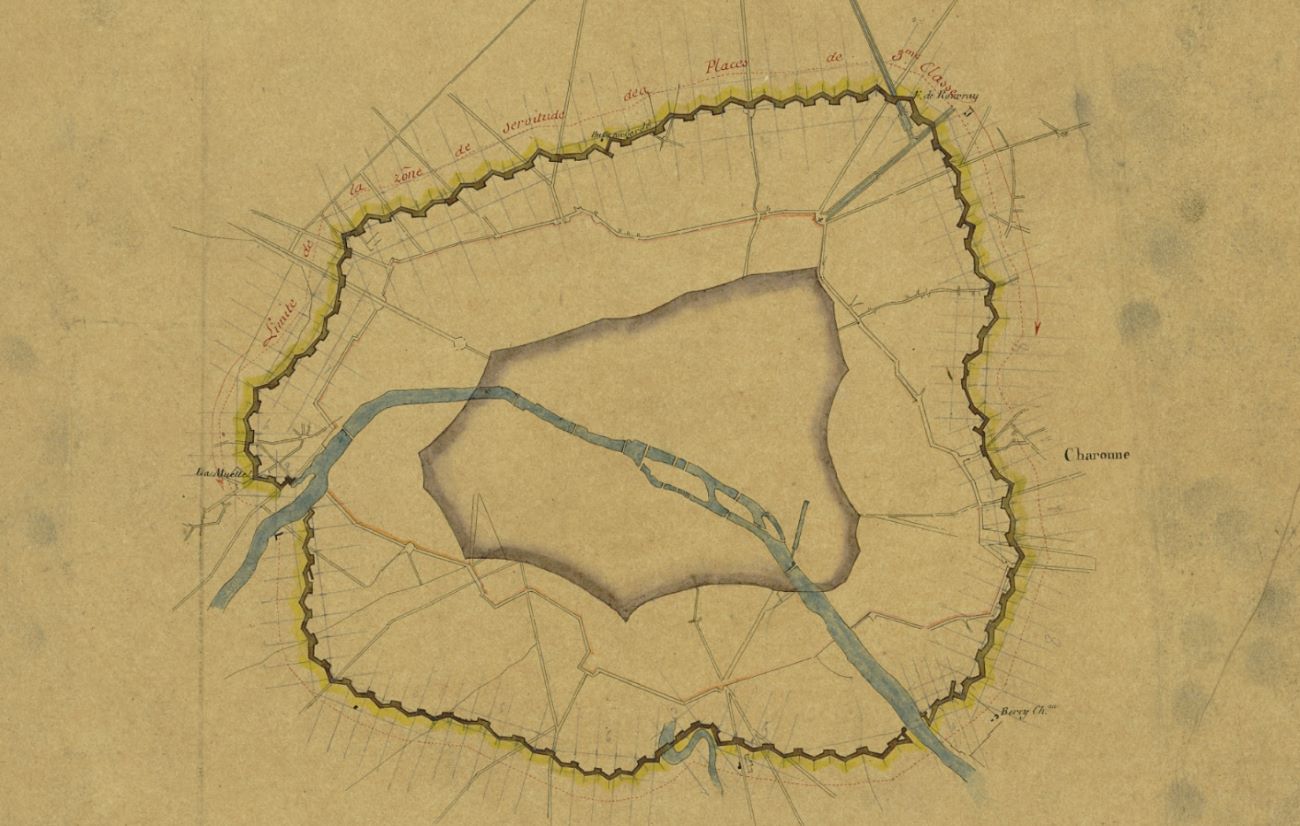
The defensive structure, commonly known as the "enceinte de Thiers", was completed in 1844 after five years of construction work. This was one of the monumental constructions in the history of Paris. The fortification stretched over 33 kilometers and had 53 gates (some of which have survived, notably to at subway stations) and 94 bastions.
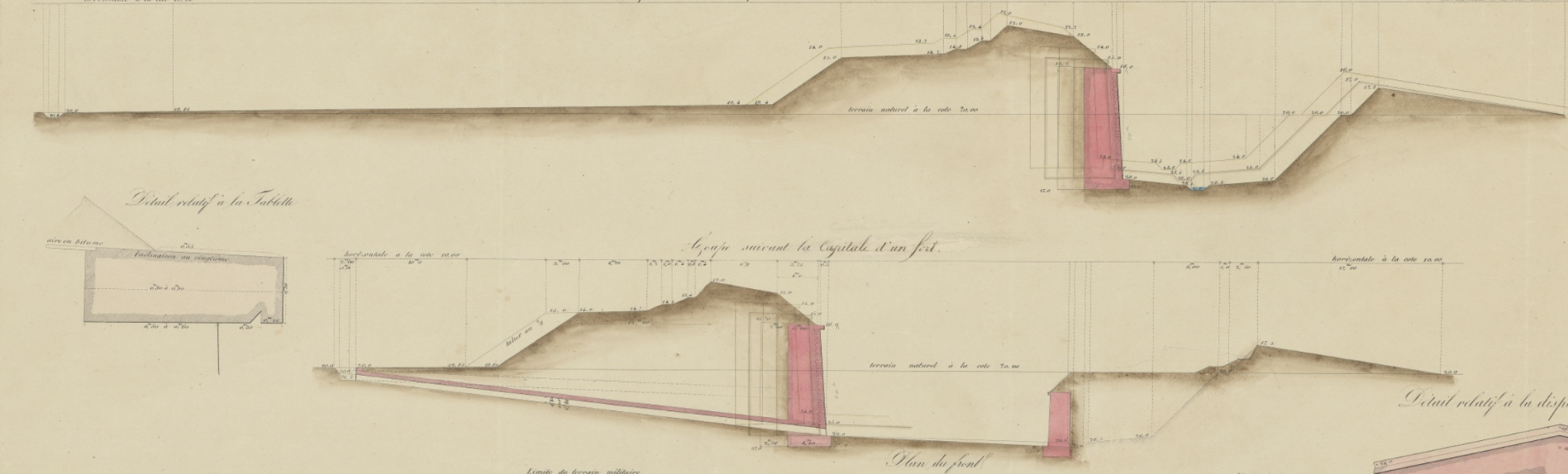
Ramparts consisted of a 30-metre-wide, 7-metre-high terre-plein, equipped with stairs and ramps. It was backed by a wall 10 meters high and 3 meters wide, with trapezoidal buttresses on the inside. To complete the construction, a ditch 20 to 40 metres wide was added to a 250-metre-wide non ædificandi zone.
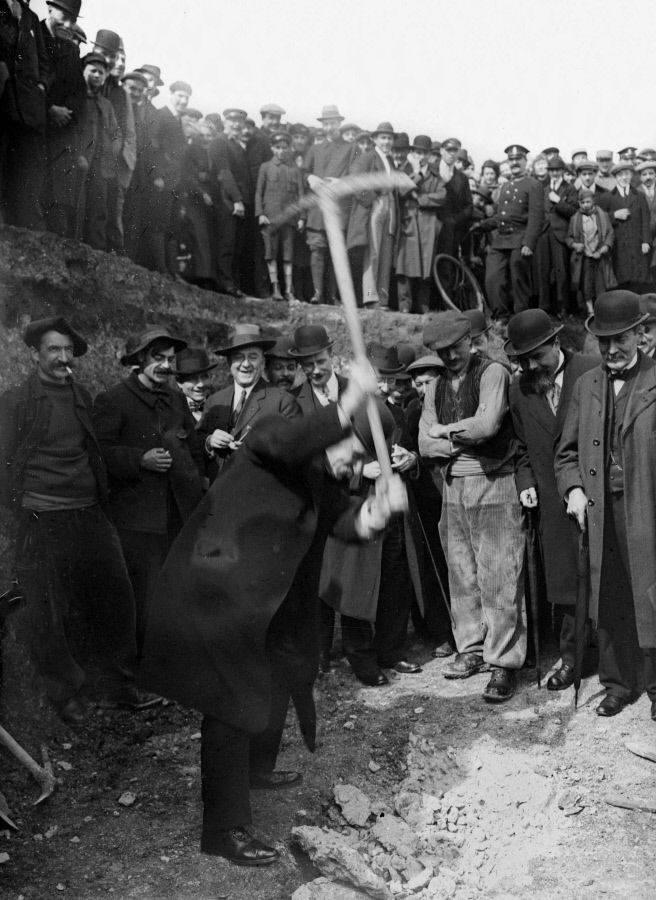
At the beginning of the 20th century, the expanding City of Paris was looking for space to build new neighborhoods. The Thiers enclosure was thus gradually dismantled to make way for low-cost working class housing (HBM).
Bastion no33 comes to light
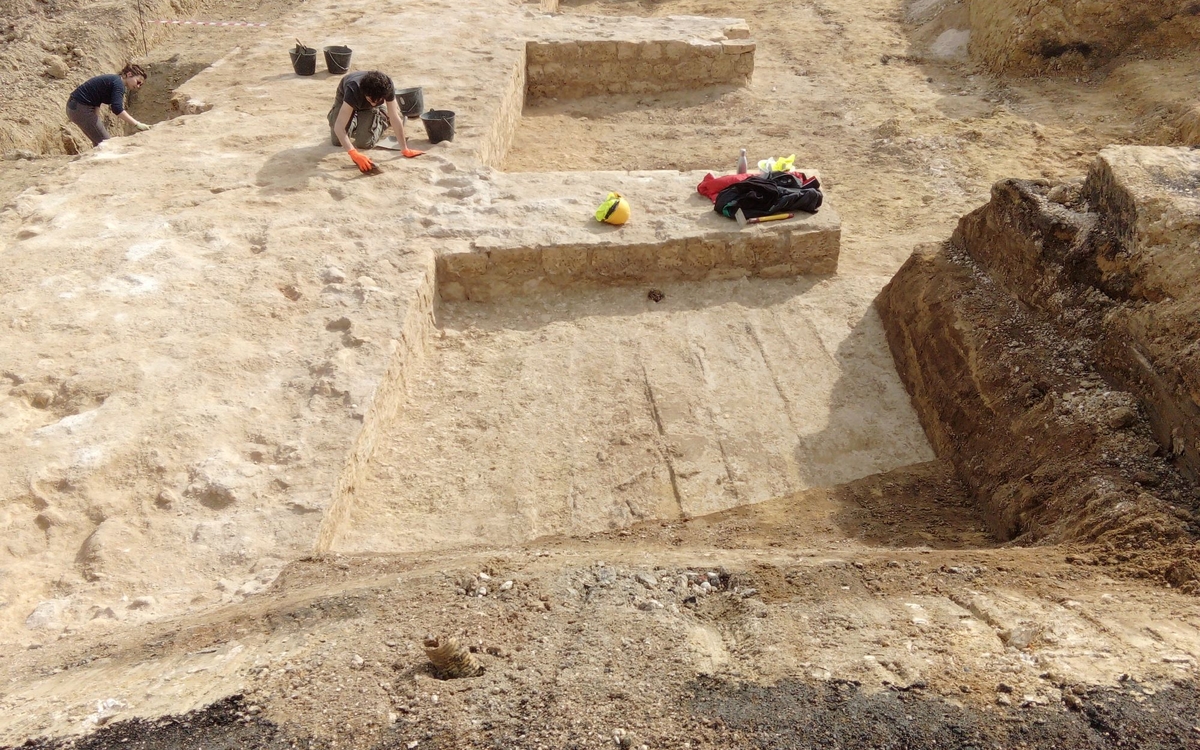
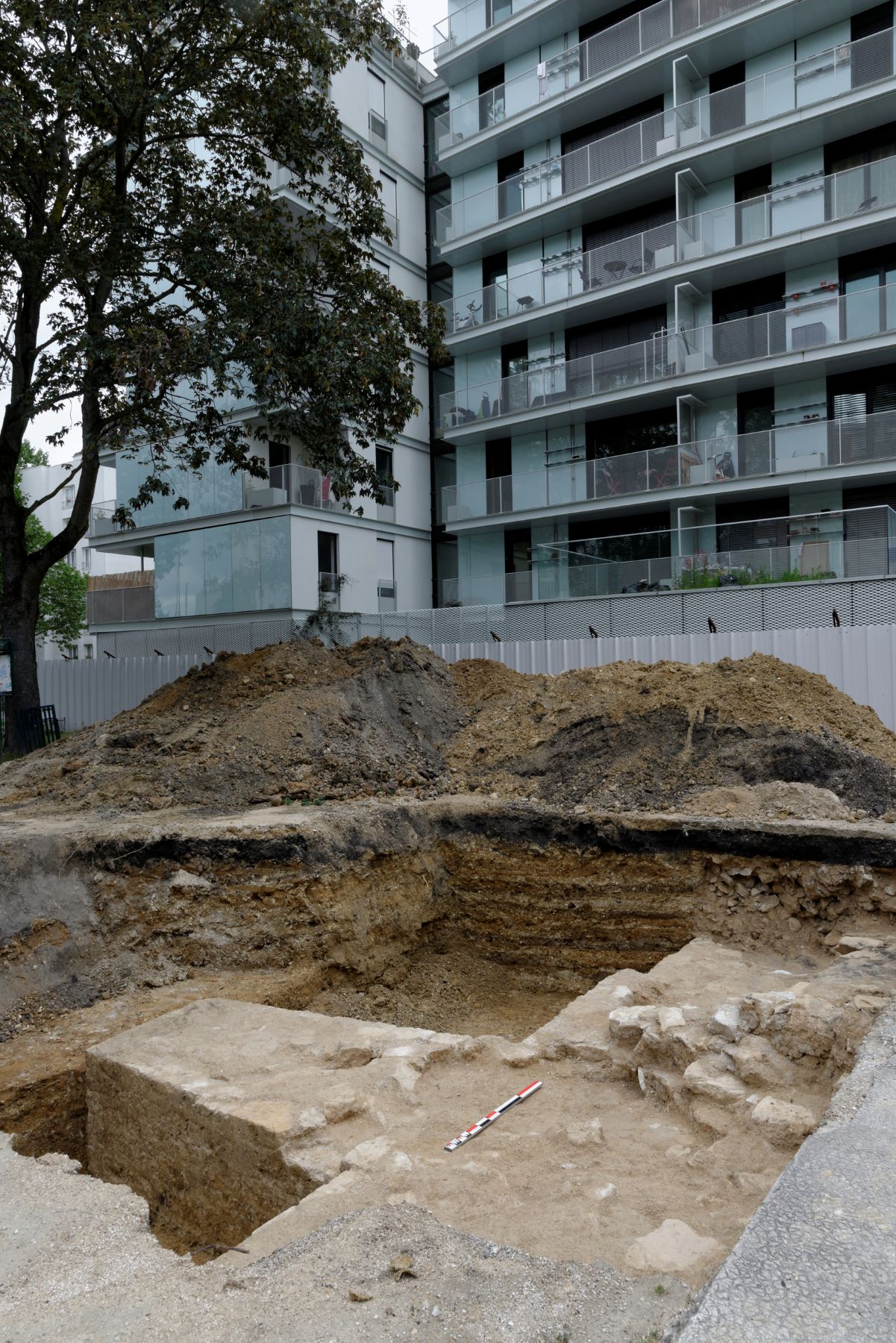
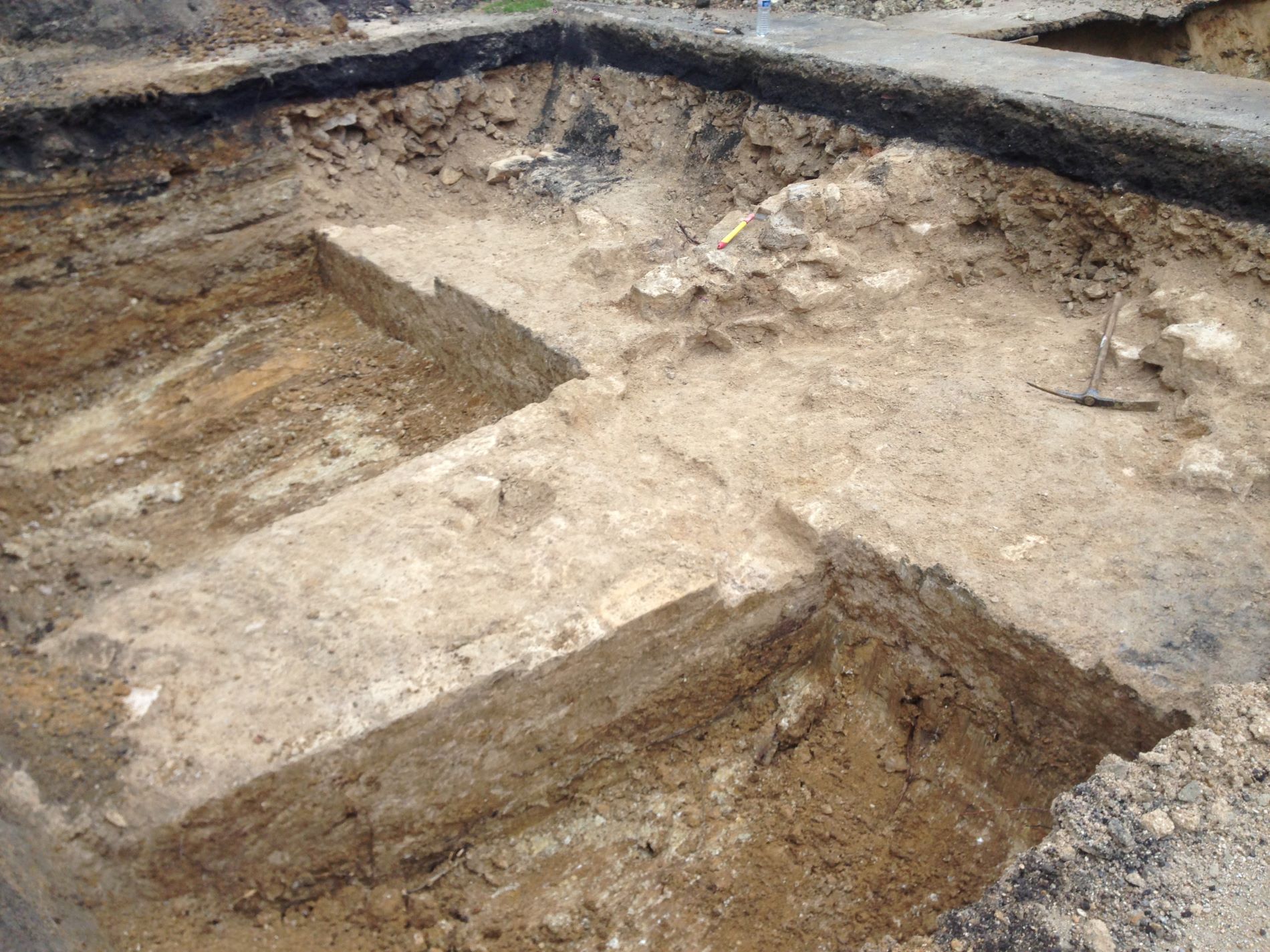
In 2019, an archaeological survey carried out prior to the construction of the Adidas Arena (18th arrondissement) enabled archaeologists to study the remains of the former fortifications preserved under the Porte de la Chapelle. Archaeologists from the Department of History of Architecture and Archaeology (DHAAP) were able to identify a section of the fortification that turned out to be bastion n°33.
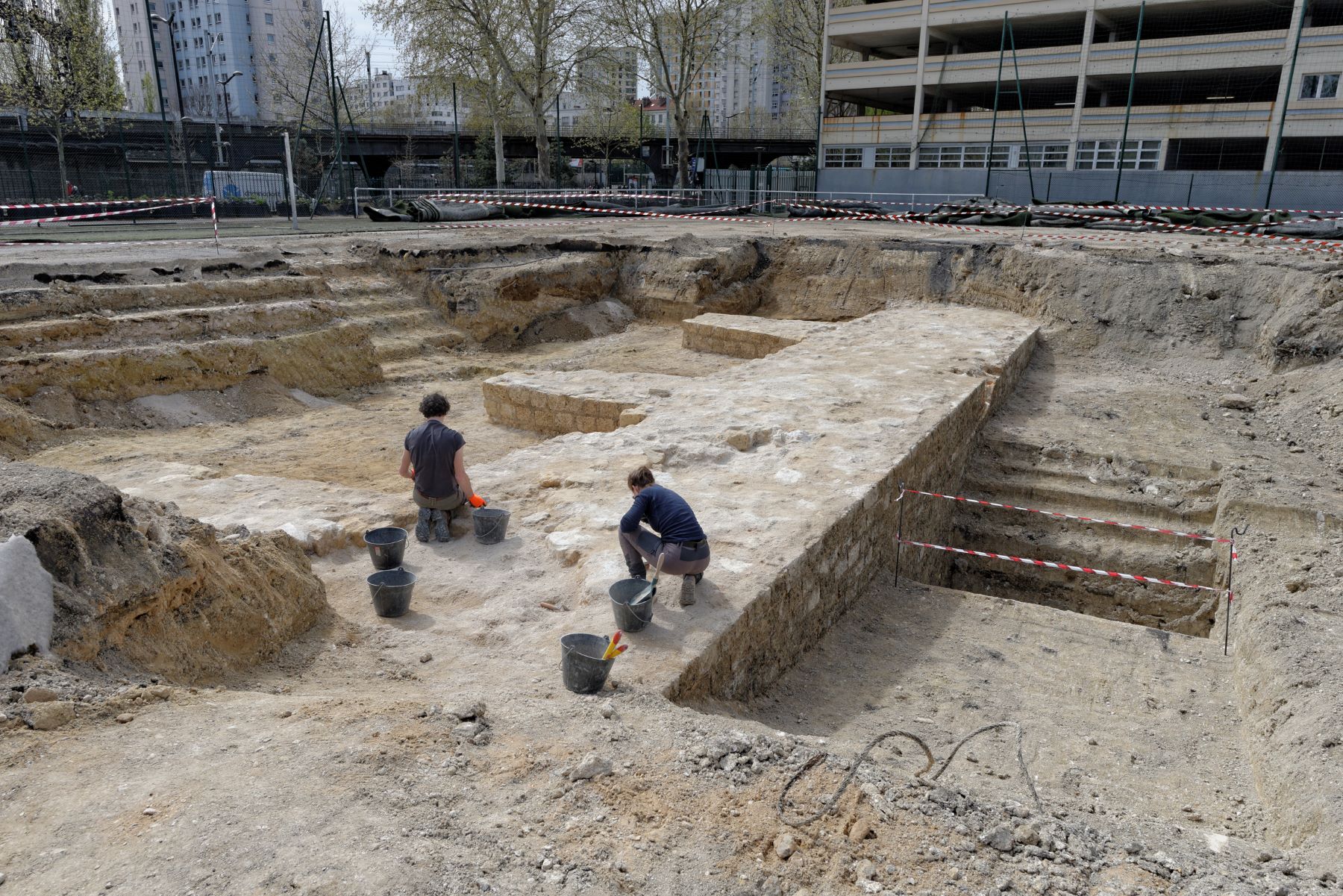
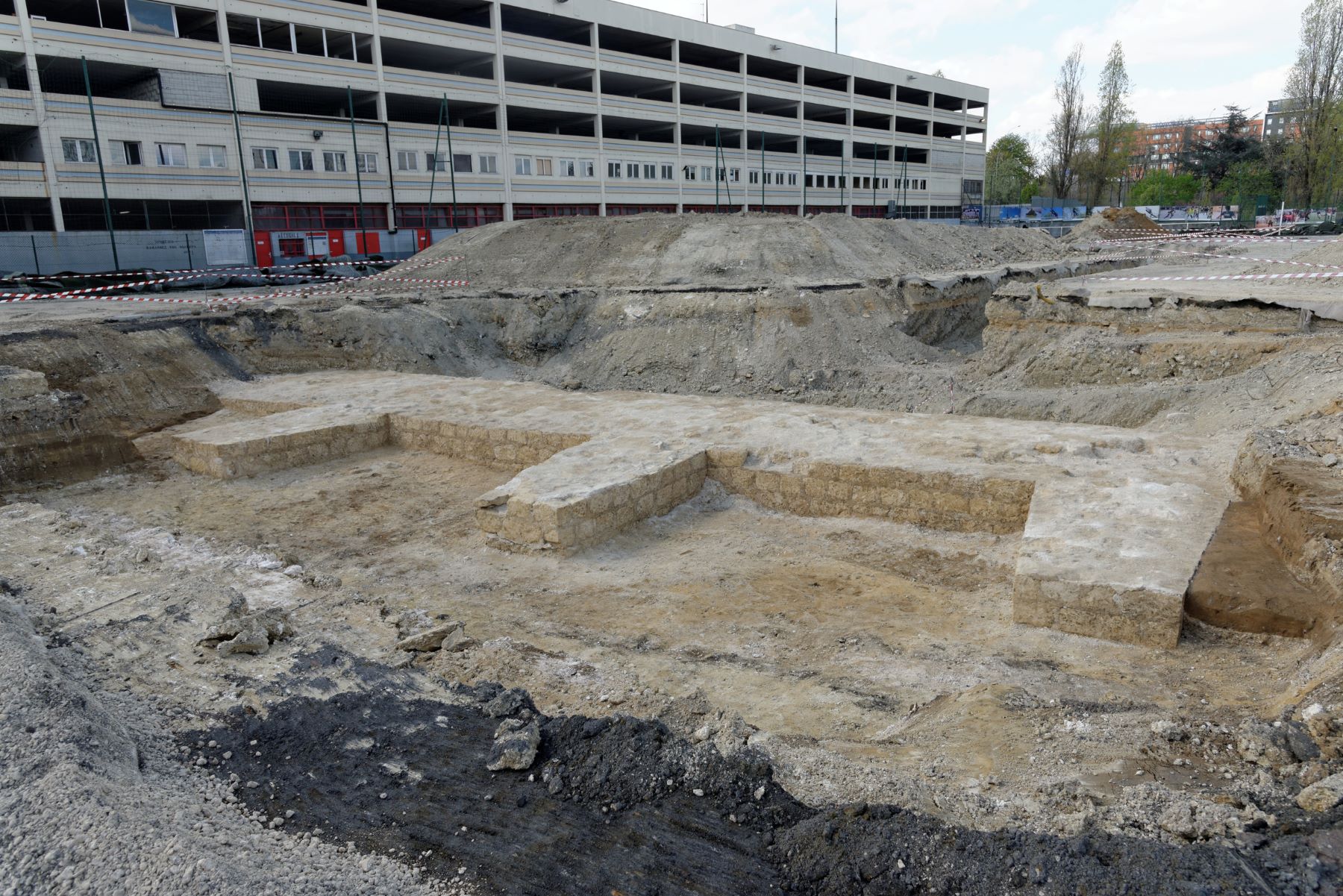
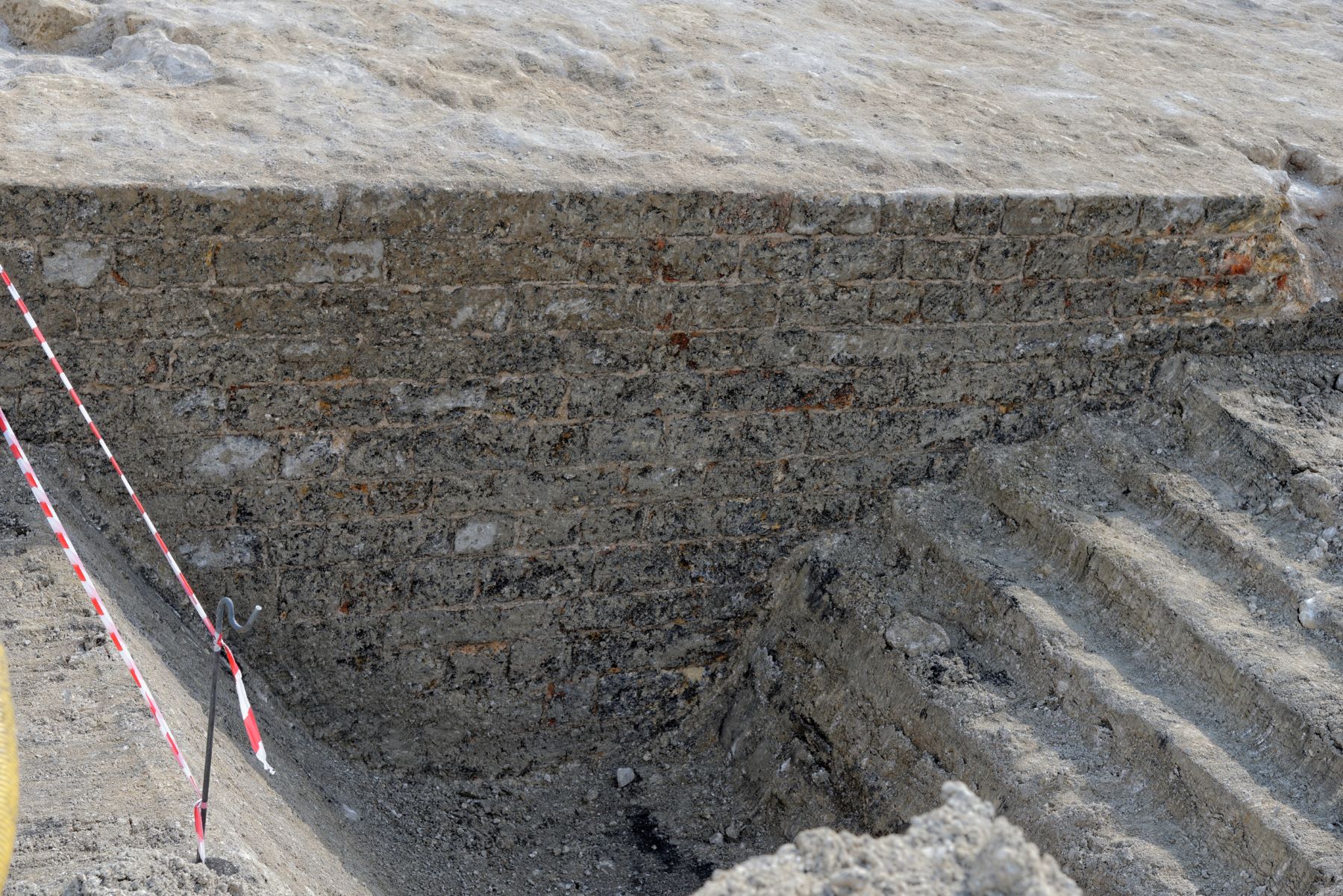
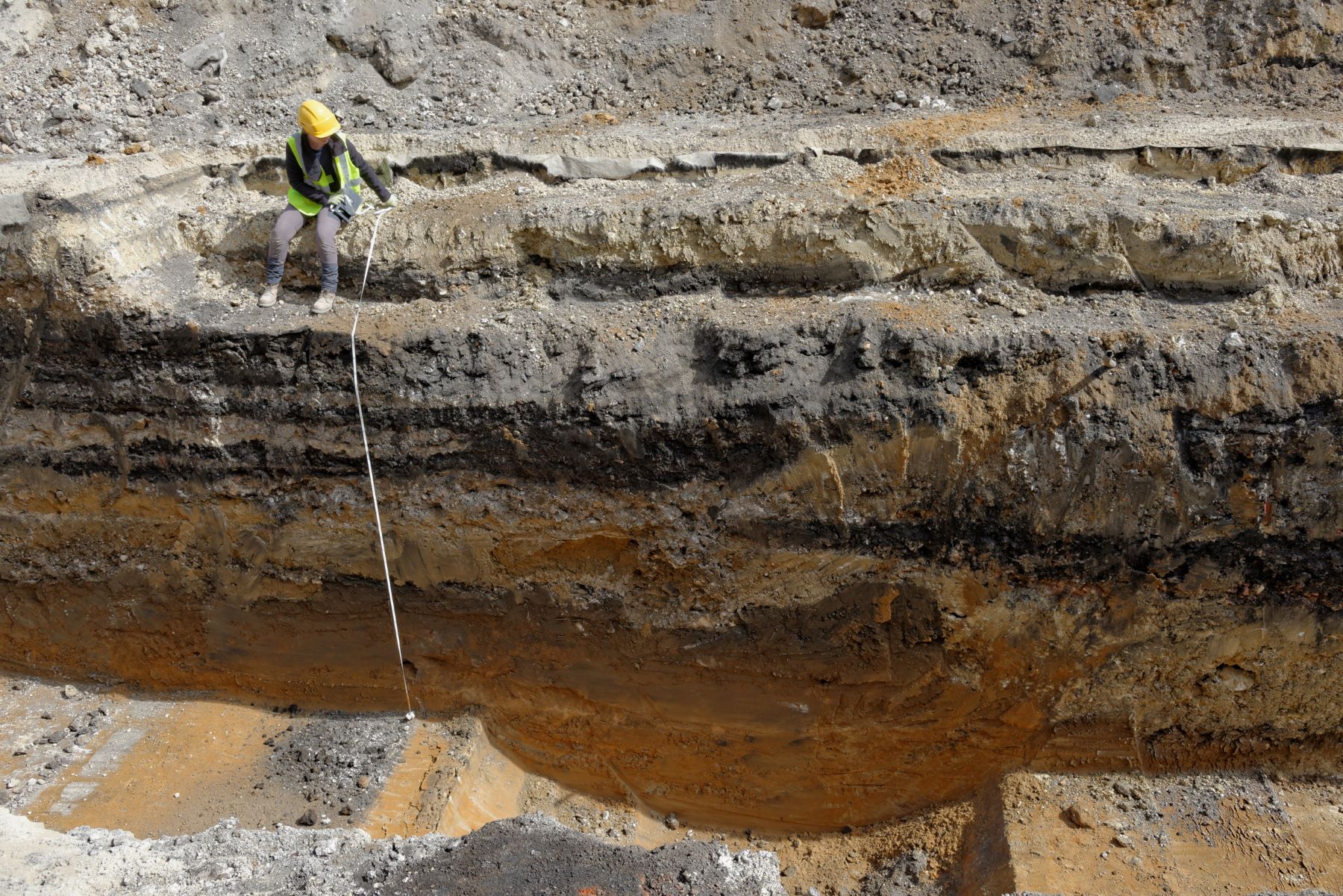
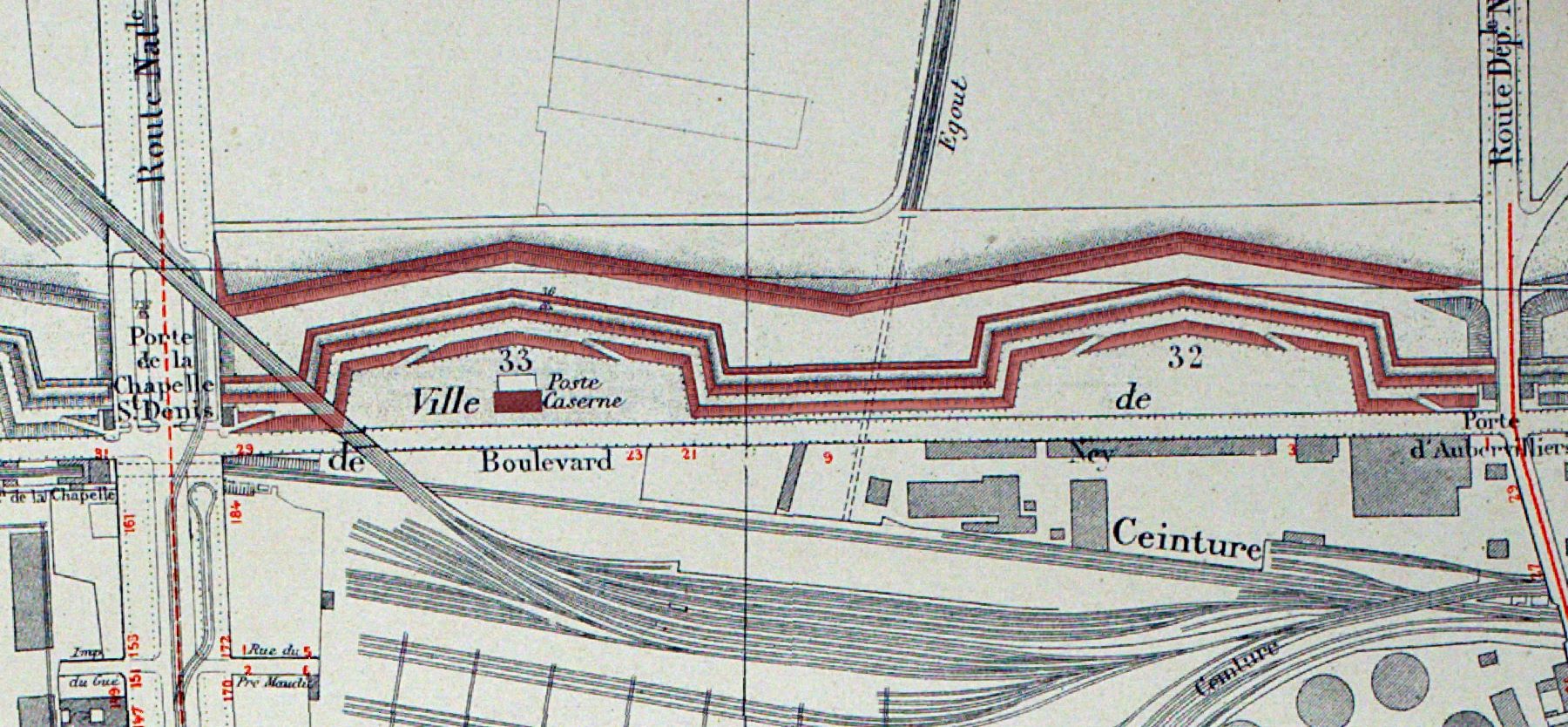
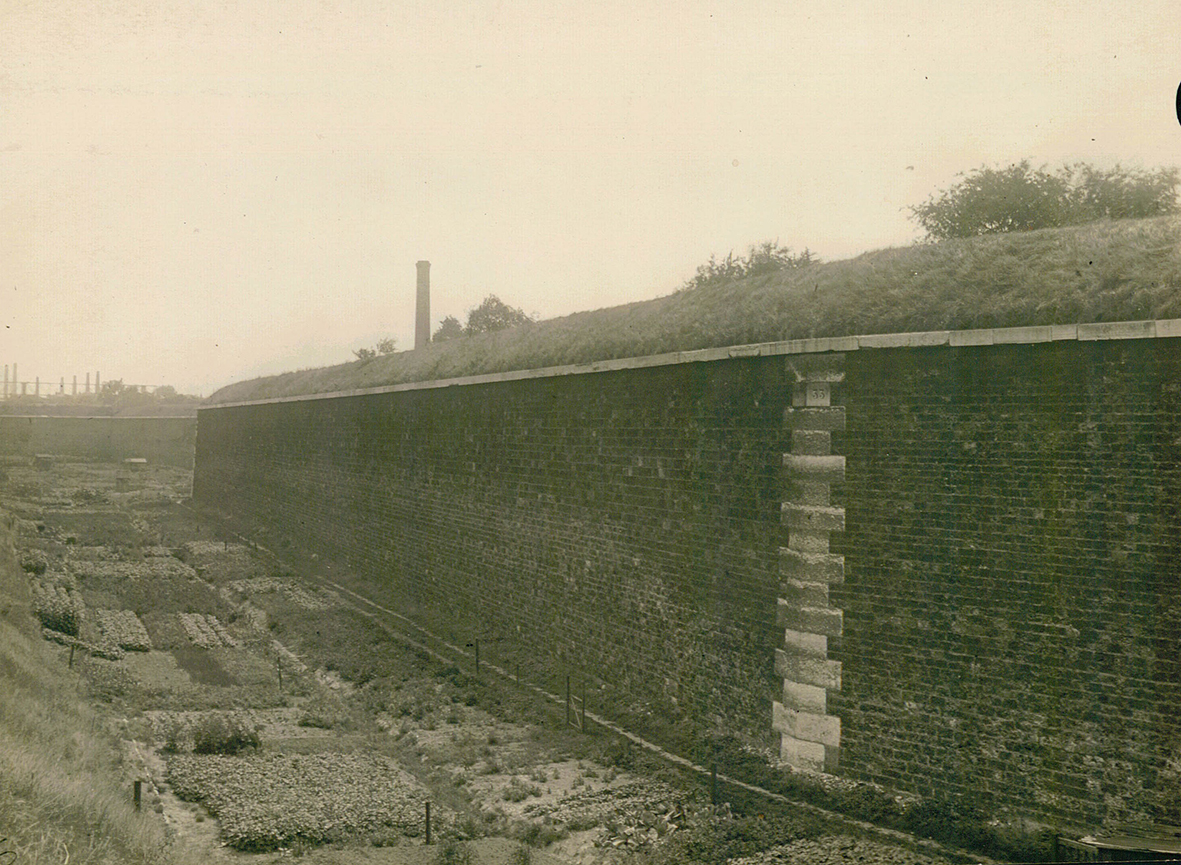
Since the 1990s, remains of the Thiers enceinte have been documented on several occasions as part of archaeological operations. In 2017-2018, the development of the Yvonne-Godard swimming pool (20th arrondissement) revealed part of bastion n°14. Military heritage being brought to light by construction work!
XIXe century bayonets and swords
In 2022, while the Adidas Arena was under construction, workers accidentally unearthed a series of metal objects. The DHAAP was quickly alerted to this fortuitous discovery and went to the site to investigate. Nine bladed weapons were found, apparently dating back to the 19th century.
To find out more, the archaeologists sought the advice of Julien Voinot, a specialist from the Musée de l'Armée (7th arrondissement). He identified bayonets and several swords.
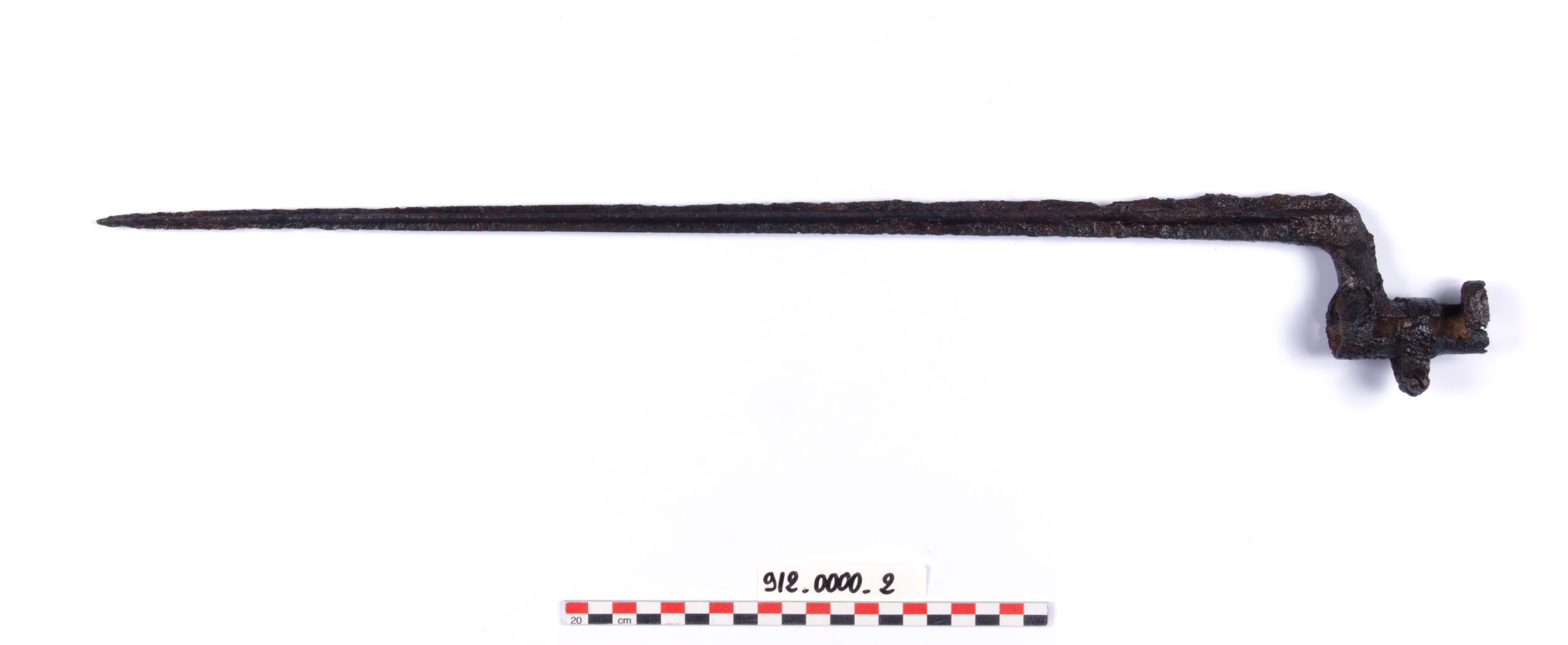
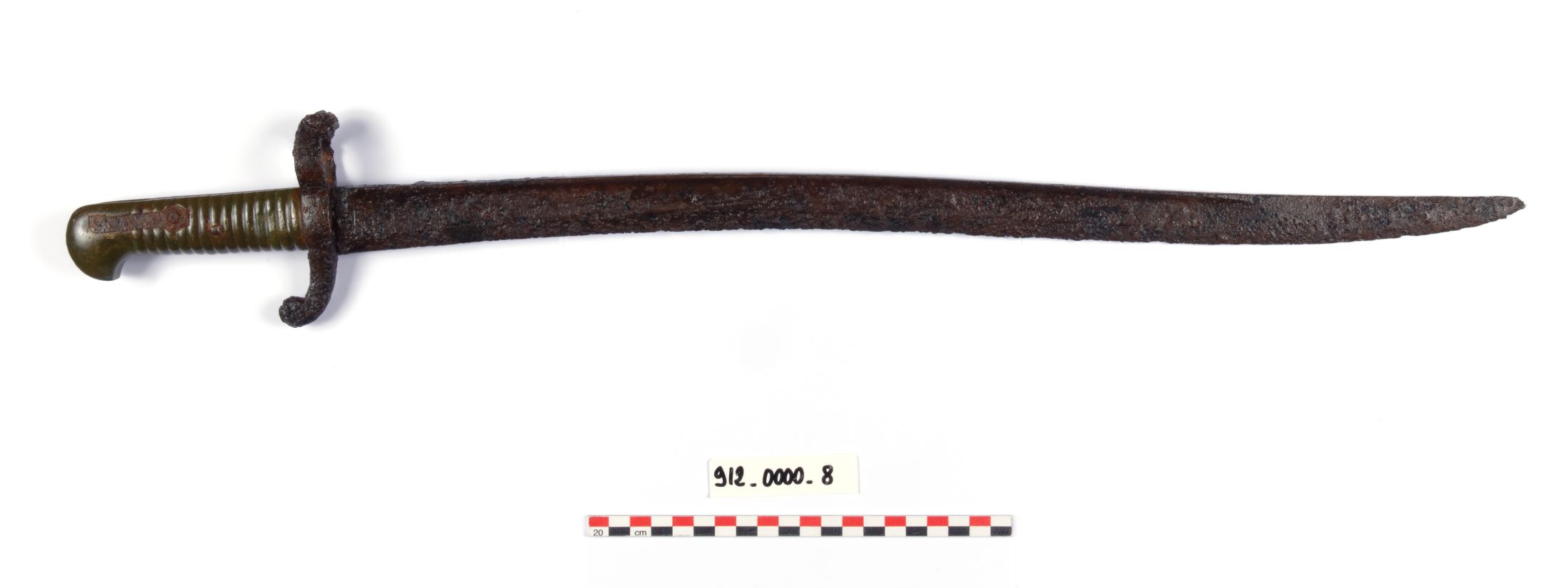
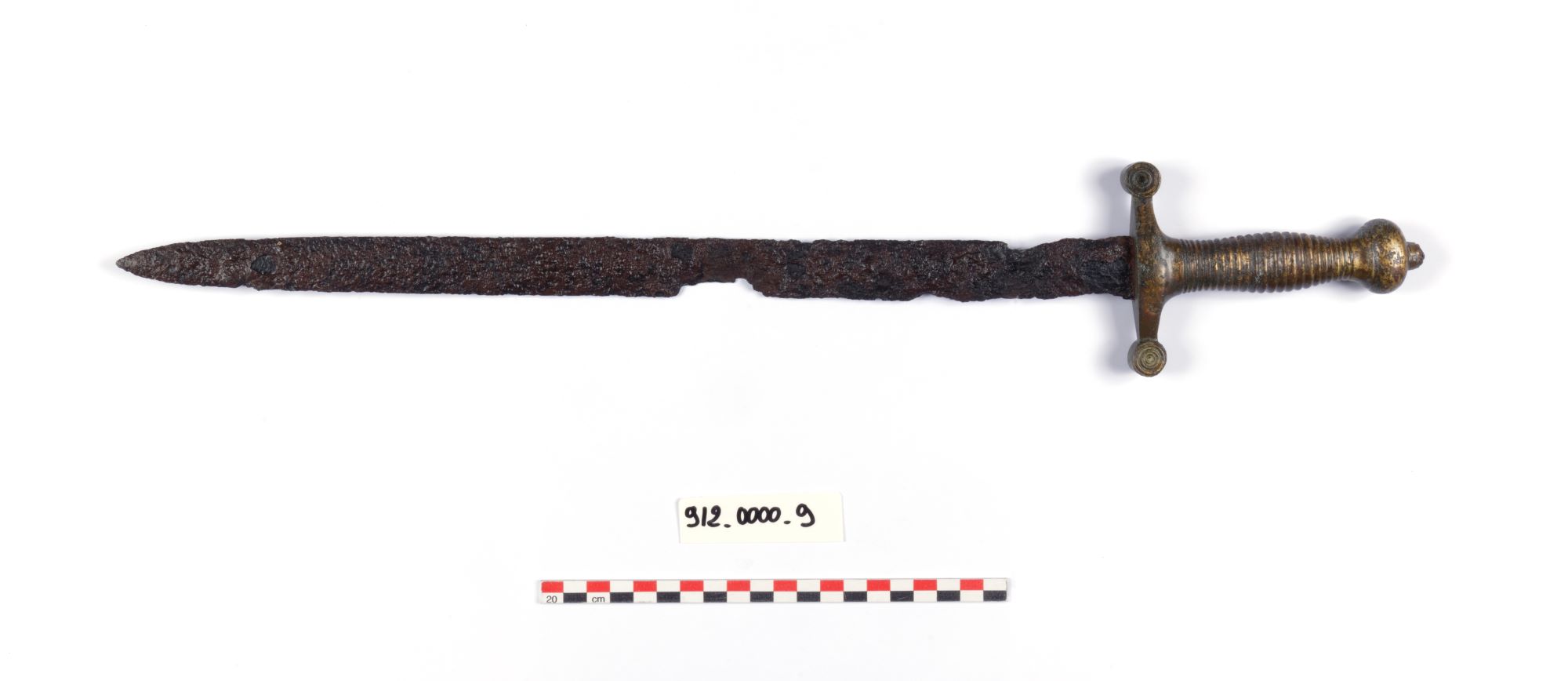
Averaging 60 cm in length, these weapons were produced between 1830 and 1860, and were used by French soldiers for a few decades. Their presence near the remains of Thiers' enceinte can be linked to two events in Parisian history: the Prussian seige in 1870, and the defense of the city by the Communards in 1871, against the "republican" armies sent in by Adolphe Thiers government.